Why November Offers the Best Camera Deals
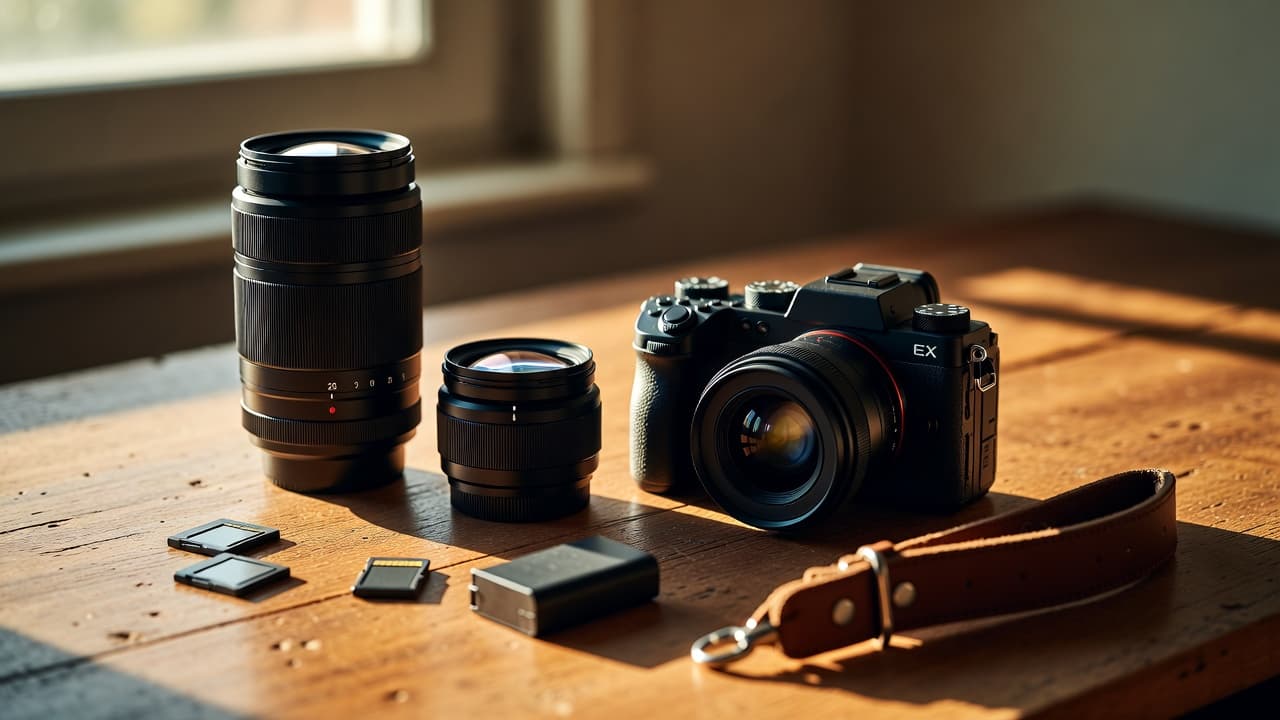
Black Friday has become the biggest camera buying event because retailers bundle aggressively. B&H Photo, Adorama, and Amazon create exclusive packages that combine a camera body with one or two lenses, memory cards, extra batteries, camera bags, and sometimes tripods. These bundles represent genuine savings of 25-35% compared to purchasing each component separately at regular prices.
The competition between specialty camera retailers (B&H, Adorama) and general retailers (Amazon, Best Buy, Costco) during this period creates a pricing war that benefits buyers at every budget level. Even professional-grade bodies from Canon (R5, R6 series) and Sony (A7 series) that rarely see direct price cuts receive meaningful bundle discounts.
The Spring Clearance Window (March-April)
When new camera models ship in spring, the previous generation gets marked down 15-25% at authorized dealers. The Spring Sale period is often the best time to buy a specific model you have been watching because the discounts are on individual bodies and lenses rather than bundles. If you already own accessories and just need to upgrade the body, spring clearance is ideal.
This window is especially strong for mirrorless cameras, where the pace of innovation means last year's flagship quickly becomes this year's mid-range value. A Sony A7 IV at 20% off in April delivers 95% of the A7 V's capability at a significant savings.
The Prime Day Bonus (July)
Amazon Prime Day has become increasingly relevant for cameras. While the deals are not as deep as Black Friday, Prime Day regularly offers $100-$200 off popular bodies and solid discounts on lenses. It is particularly good for action cameras (GoPro), instant cameras (Instax), and camera accessories like tripods, memory cards, and bags.
When to Avoid Buying
The worst times to buy cameras are June (peak travel season drives demand up and discounts down) and late August through September (new fall models are announced but not yet discounted, and current models have not yet entered clearance). Buying during these windows means paying close to full price with no bundle bonuses.
The Holiday Bundle Strategy (November-December)
The single biggest savings opportunity is not just a price cut on a body -- it is the bundle. During November-December, retailers package camera bodies with lenses, memory cards, bags, and sometimes extra batteries at a combined price that undercuts buying each component individually by a significant margin.
There are two types of bundles worth understanding. Retailer bundles from B&H Photo and Adorama are store-curated packages that combine a body with popular lenses and third-party accessories. Manufacturer rebates come directly from Canon, Sony, Nikon, or Fujifilm as instant savings when you buy a body and qualifying lens together.
Black Friday and Cyber Monday often feature different deals. Cyber Monday frequently has online-exclusive bundles that differ from the in-store Black Friday promotions. December also deserves attention -- gift-oriented bundles in the final weeks can sometimes beat Black Friday prices on entry-level and mid-range models.
To evaluate whether a bundle is genuinely a good deal, add up the individual prices of every item at their current standalone rates. If the bundle saves at least 15-20% over buying separately, it is a strong offer. Be wary of bundles padded with low-quality accessories to inflate perceived value.
Price Tracking and Alert Strategy
Knowing when cameras go on sale is only half the equation. The other half is knowing whether the sale price is actually good.
CamelCamelCamel is the most useful free tool for tracking Amazon camera prices. Enter any product URL and you will see the price history over months. The lowest price line represents the floor this product has actually sold at. The most important reference points are the most recent Black Friday and Prime Day prices, which typically represent annual lows.
B&H Photo and Adorama both offer email alerts for specific products. Add the camera you are watching to your wish list and you will receive a notification when the price drops.
Google Shopping provides quick cross-retailer price comparison. Prices across retailers can vary by meaningful amounts during sale events.
Do not chase the absolute lowest possible price at the cost of missing a solid deal. If a camera drops to within 5-10% of its historical low, that is a strong buy. Set a target price based on past Black Friday and Prime Day lows, and pull the trigger when you hit it.
New Model Release Calendar
One of the most reliable ways to save is to buy the previous generation right after a new one is announced. Retailers begin clearing older inventory within two to four weeks of a new model reveal.
Canon tends to announce around CES in January and again in August-September. Sony operates on a less predictable schedule but often clusters in spring and fall. Nikon historically aligns with CES in January with secondary announcements mid-year. Fujifilm frequently times announcements around CP+ in late February-March and again in the fall, making the spring clearance window particularly useful for outgoing Fujifilm models.
The practical takeaway: if a camera is more than 18 months old and no replacement has been announced, a new version is likely coming soon. Waiting for the announcement can pay off. But do not let the promise of a future deal keep you from taking a good one today -- as we cover in our guide on buying mistakes, a previous-generation camera bought at the right price is one of the smartest purchases in photography.