Your First Real Camera: A No-Jargon Matching Guide
Four questions. One recommendation. No megapixel debates.
You have read the spec sheets. You have watched the YouTube reviews. You are more confused than when you started. Sound familiar?
The right camera is not the one with the best specs -- it is the one that matches how you actually shoot. A wildlife photographer and a travel content creator could have the same budget but need completely different tools. This guide skips the technical deep-dive and uses four straightforward questions to match you with a specific camera recommendation.
Want the full technical breakdown instead? Read our Camera Specs Explained. Curious what a full camera system actually costs beyond the body? See The Real Cost of Every Camera System. And before you buy, check 7 Camera Buying Mistakes so you do not waste hundreds on the wrong gear.
How This Guide Works
We organized recommendations around how people actually use cameras, not around technical categories. Find the scenario that sounds most like you, and you will land on the right camera without needing to understand sensor sizes or lens mounts.
Question 1: What Will You Shoot Most?
Your primary subject determines the features that matter most. A camera that excels at portraits may be mediocre for sports. One built for video may be overkill for landscapes.
Mostly Photos of People (Portraits, Family, Events)
You need reliable autofocus that locks onto faces and eyes without hunting, natural skin tones, and enough background blur to separate your subject from clutter. The Sony a6700 leads here: its AI-driven subject recognition tracks faces and eyes across the frame in real time, and the APS-C sensor produces natural bokeh with the right lens. If you want the absolute best skin tones straight out of camera, the Fujifilm X-S20 with its film simulation modes delivers colors that most photographers cannot replicate in editing.
Mostly Travel and Landscapes
You need something light enough to carry all day, weather-sealed for unpredictable conditions, and capable in both bright daylight and dim interiors. The OM System OM-5 was built for exactly this: it weighs just 414 grams, survives rain and dust, and its 7.5-stop stabilization lets you shoot sharp handheld shots in near-darkness. If you want even less bulk and a pocketable form factor, the Fujifilm X100VI disappears into a jacket pocket while producing images that rival much larger cameras. For dedicated street photography with an ultra-compact fixed-lens design, the Ricoh GR IIIx offers a 40mm-equivalent lens in a body small enough for a jeans pocket -- the ultimate pocket-sized alternative to larger travel cameras.
Mostly Video and Content Creation
Reliable face-tracking autofocus, a front-facing screen, a good built-in microphone, and smooth stabilization are non-negotiable. The Sony ZV-E10 II was purpose-built for this exact workflow: directional microphone, Active Stabilization for walking shots, and vertical shooting support for social media. For more serious video production -- short films, client work, documentaries -- the Panasonic Lumix S5 IIX offers unlimited 4K 60fps recording, professional codecs, and full-frame image quality. On a tighter budget, the Nikon Z30 is a compact, vlog-ready body with a flip screen and excellent 4K video that costs significantly less than most competitors -- ideal for aspiring creators watching their budget.
Mostly Action, Sports, and Adventure
Fast-moving subjects demand a camera that can track action reliably and survive harsh conditions. For traditional sports and wildlife, the Sony a6700 shoots at 11fps with AI subject tracking that follows birds, animals, and vehicles. For extreme sports where the camera takes a beating -- mountain biking, surfing, skiing -- the DJI Osmo Action 5 Pro is waterproof, shockproof, and produces gimbal-smooth stabilized footage. The GoPro HERO13 Black offers a compelling alternative with its modular lens system and excellent stabilization -- perfect if you want creativity without sacrificing ruggedness.
Social and Creative (Instant Prints, Gifts, Fun)
Not every camera needs to be serious. If you want the social experience of handing someone a physical print at a party, the Fujifilm Instax Mini 99 is the most capable instant camera available, with manual color effects and exposure control that no other Instax offers.
Question 2: How Much Do You Want to Carry?
Be honest with yourself. The camera you leave at home because it is too heavy is worse than a lesser camera you always have with you.
Pocketable (Under 500g, No Bag Required)
Your options are premium compacts and action cameras. The Fujifilm X100VI fits in a large coat pocket and produces images that make people assume you used a professional setup. The Ricoh GR IIIx is even smaller -- genuinely pocketable -- with APS-C image quality from a body the size of a compact point-and-shoot. The DJI Osmo Action 5 Pro clips onto anything and goes anywhere.
Day-Trip Friendly (Under 700g with Lens, Small Bag)
This is the sweet spot for most people. The Canon EOS R50 with its kit lens weighs just over 500g total and fits in a small crossbody bag. The Canon EOS R100 is even lighter and more affordable -- the least expensive mirrorless camera from any major brand. The OM System OM-5 is similarly compact with the added benefit of weather sealing.
Full Kit (I Do Not Mind a Camera Bag)
If you are willing to carry the weight, you unlock better image quality, more lens options, and professional features. The Nikon Z5 II offers full-frame image quality with a comfortable grip built for long shooting sessions. The Panasonic Lumix S5 IIX is the workhorse for anyone who splits time between photo and video. Before committing to a system, it helps to understand the full investment -- our breakdown of real camera system costs shows what each mount ecosystem actually runs you beyond the body price.
Question 3: How Important Is Video?
I Rarely Shoot Video
Focus your budget on image quality and lenses. The Nikon Z5 II prioritizes photographic excellence: full-frame sensor, dual card slots, excellent battery life, and Nikon's superb native glass. The Fujifilm X100VI is similarly photo-first, with film simulations that make every JPEG a finished image.
I Shoot Video and Photos Equally
You need a true hybrid camera. The Sony a6700 balances both with 4K 120fps video, 5-axis IBIS, and AI autofocus that works identically for stills and motion. The Fujifilm X-S20 offers 6.2K video recording alongside its photographic strengths.
Video Is My Primary Output
The Sony ZV-E10 II for content creation and vlogging, or the Panasonic Lumix S5 IIX for professional video work. The Panasonic offers unlimited recording, professional codecs (ProRes, Blackmagic RAW), and 6K capability that the Sony cannot match. On a budget, the Nikon Z30 delivers solid 4K video with a vlogger-friendly flip screen at a fraction of the cost.
Question 4: What Is Your Experience Level?
Complete Beginner
The Canon EOS R50 is built for you. Its guided UI mode explains settings in plain language while you shoot, helping you learn photography through doing rather than reading. If budget is tight and you want to test whether photography is for you, the Canon EOS R100 is the most affordable mirrorless entry point from any major manufacturer -- perfect for discovering whether you love the hobby before committing more.
Enthusiast / Upgrading from a Phone
You want a camera that rewards learning but does not punish mistakes. The Sony a6700 or Fujifilm X-S20 both offer deep manual controls when you want them and excellent auto modes when you do not. The Sony has the larger lens ecosystem; the Fujifilm has the better straight-out-of-camera colors. If you are still weighing whether a dedicated camera is worth the step up from your smartphone, our phone vs. camera comparison breaks down exactly where the gap matters.
Advanced / Semi-Professional
You know what you need and why. The Nikon Z5 II for photography-first work with professional ergonomics. The Panasonic Lumix S5 IIX for video-heavy workflows that demand professional codecs and unlimited recording.
Question 5: What Is Your Realistic Budget?
Every price tier in the camera market delivers genuine capability in 2026. The question is not whether you can take great photos on a budget -- you absolutely can. The question is which features matter enough to pay more for.
Under $500: The Starting Line
Cameras like the Canon EOS R100 and Nikon Z30 live here, typically bundled with a kit zoom lens. You get interchangeable lenses, solid autofocus, and image quality that would have cost three times as much a decade ago. The tradeoffs are smaller electronic viewfinders (or none at all), fewer customizable controls, and autofocus that can hunt in dim conditions.
$500 to $1,000: The Sweet Spot
This is where most people should look first. The Canon EOS R50, Fujifilm X-S20, and Sony ZV-E10 II all fall in this range. You get noticeably better autofocus with reliable eye and subject tracking, improved video specs, more physical controls, and faster, more responsive shooting. If you are serious enough to read a guide like this, this tier is probably where your money works hardest.
$1,000 to $1,500: Enthusiast Grade
Bodies like the Sony a6700 and OM System OM-5 add weather sealing, in-body image stabilization, and genuinely sophisticated autofocus that tracks birds in flight or athletes mid-sprint. Build quality improves too -- these cameras feel like tools, not toys.
$1,500 to $2,500: Advanced and Full-Frame Entry
The Nikon Z5 II and Panasonic Lumix S5 IIX offer larger full-frame sensors that capture more light, deliver shallower depth of field, and produce files with extraordinary dynamic range. Video capabilities jump significantly with professional codecs, 10-bit color, and high-bitrate recording.
$2,500 and Above: Professional Territory
Flagship bodies from Sony, Canon, and Nikon. The fastest autofocus, highest burst rates, most robust weather sealing, and dual card slots. If you are reading a guide called "What Camera Should I Buy," you almost certainly do not need to spend this much yet.
The Budget Rule Most Buyers Forget
Plan to spend only 40 to 60 percent of your total budget on the camera body. The rest goes to lenses. A mid-range body with one excellent lens will outperform an expensive body with a mediocre kit zoom in virtually every real-world scenario. If you want to understand exactly how these costs add up, read our full breakdown in The Real Cost of a Camera System in 2026.
Quick Reference: Our Recommendations by Scenario
| You Want | Our Pick | Why |
|---|---|---|
| Most affordable first camera | Canon EOS R100 | Lowest entry to mirrorless with Canon lenses |
| Best learning camera | Canon EOS R50 | Guided modes teach as you shoot |
| Best all-around | Sony a6700 | Best autofocus + 4K video in APS-C |
| Travel camera | OM System OM-5 | Lightest system with weather sealing |
| Street photography | Ricoh GR IIIx | Pocketable with APS-C sensor |
| Budget vlogging | Nikon Z30 | No EVF = lower cost, flip screen |
| Serious video | Panasonic S5 IIX | Best video codec and color science |
| Photo purist | Nikon Z5 II | Full-frame image quality at mid-range price |
| Best colors | Fujifilm X-S20 | Film simulations for instant style |
| Action / extreme sports | DJI Osmo Action 5 Pro | Waterproof, stabilized, rugged |
| Parties and gifts | Fujifilm Instax Mini 99 | Instant prints, social experience |
Here is a summary to make your decision even easier:
- Most affordable first camera: Canon EOS R100
- Best learning camera: Canon EOS R50
- Best all-around: Sony a6700
- Best for travel: OM System OM-5 (lightest) or Fujifilm X100VI (pocketable)
- Best for street photography: Ricoh GR IIIx
- Best budget vlogger: Nikon Z30
- Best for vlogging: Sony ZV-E10 II
- Best for serious video: Panasonic Lumix S5 IIX
- Best for photo purists: Nikon Z5 II
- Best colors out of camera: Fujifilm X-S20
- Best for extreme sports: DJI Osmo Action 5 Pro or GoPro HERO13 Black
- Best for parties and gifts: Fujifilm Instax Mini 99
Still not sure? Our full Camera Buyer's Guide goes deeper into specs, sensor sizes, and lens ecosystems. Check our Best Time to Buy Cameras guide to make sure you are buying at the right time, and read up on the camera buying mistakes that cost first-time buyers the most money before you finalize your decision.
Your First Camera: The 90-Day Plan
You have picked your camera. It has arrived. What you do in the next three months matters more than which body you chose.
Weeks 1 and 2: One Lens, No Excuses
Use whatever single lens came with your camera. Do not buy anything else yet. Shoot everything -- your morning coffee, the walk to work, your dog, the light coming through your window at 4 PM. When you cannot zoom with your feet or swap to a different focal length, you start learning composition. You start seeing frames instead of just pointing the camera at subjects.
Weeks 3 and 4: Get Off Auto
Switch to aperture priority mode. You control the aperture (which determines depth of field and how much light enters), and the camera handles the rest. Once that feels natural, experiment with shutter priority for moving subjects. Then try full manual for a few sessions. You do not need to master the exposure triangle in two weeks. You just need to understand that it exists and feel what each variable does to your image.
Month 2: Watch Your Own Patterns
After a month of shooting, open your photo library and look at the images you love most. Check the metadata. What focal length did you use? If you have a kit zoom that covers 18 to 55mm and your best shots are all clustered around 35mm, that tells you something. If every image you are proud of is zoomed all the way to 55mm and you wish you could reach further, that tells you something too. Your shooting habits are quietly writing a shopping list for you.
Month 3: Add One Lens, the Right One
Now, and only now, buy your second lens based entirely on what month two taught you:
- If you gravitate toward people and portraits: a fast prime lens in the 35mm to 50mm range.
- If you kept reaching for more zoom: a telephoto lens for wildlife, sports, or compressed perspectives.
- If you kept wishing you could fit more into the frame: a wide-angle lens for landscapes and architecture.
- If video became your focus: consider a stabilized zoom or a compact cine-style lens.
This approach inverts the most common and most expensive mistake new photographers make: buying gear based on what they imagine they will shoot instead of what they actually shoot. We cover this trap in detail in Camera Buying Mistakes to Avoid.
The principle behind the whole plan is simple. Let your shooting teach you what gear you need. Not reviews, not forum recommendations, not the feeling that you are missing out. Your own images, shot over 90 real days, are the most honest gear advisor you will ever find.
What We Recommend
Based on our research, these are our top picks. Prices change frequently -- click through to see the latest.
- 1.Canon EOS R50 -- Best for complete beginners who want a camera that teaches them as they shoot
- 2.Sony a6700 -- Best for enthusiasts who answered yes to multiple shooting categories
- 3.Fujifilm X100VI -- Best for travel photographers and street shooters who prioritize portability and image quality
- 4.Sony ZV-E10 II -- Best for vloggers and content creators who answered video-first
- 5.Panasonic Lumix S5 IIX -- Best for filmmakers and video professionals who need broadcast-quality output
- 6.OM System OM-5 -- Best for hikers and travelers who prioritize the lightest, toughest camera system
- 7.Fujifilm X-S20 -- Best for photographers who want stunning JPEGs without editing and Fujifilm's renowned color science
- 8.Nikon Z5 II -- Best for photographers who prioritize image quality and rarely need video
- 9.DJI Osmo Action 5 Pro -- Best for action sports, underwater shooting, and any scenario where the camera takes a beating
- 10.Fujifilm Instax Mini 99 -- Best for parties, gifts, and anyone who wants tangible physical prints from every gathering
- 11.Canon EOS R100 with 18-45mm -- Best for budget-conscious beginners who want the lowest entry point into a capable camera system
- 12.Nikon Z30 with 16-50mm -- Best for aspiring vloggers and content creators who want dedicated video features on a tight budget
- 13.Ricoh GR IIIx -- Best for street photographers and travelers who want a genuinely pocket-sized camera with no compromises on image quality
- 14.GoPro HERO13 Black -- Best for action enthusiasts who want modular lens creativity alongside rugged waterproof performance

Canon EOS R50
If you answered "beginner" to the experience question, the R50 is your camera. Canon's guided UI walks you through every setting in real language while you shoot -- no manual required. At 375 grams it is lighter than most water bottles, so it actually comes with you instead of sitting in a drawer.
Pros
- Guided UI teaches photography while you shoot
- Lightest mirrorless camera in its class (375g)
- Affordable Canon RF-S lens ecosystem to grow into
- Reliable eye and animal autofocus
- Articulating screen for selfies and overhead shots
Cons
- No in-body stabilization
- Smaller electronic viewfinder
- Single SD card slot
- Limited weather sealing

Sony a6700
If you could not pick just one answer for the shooting question -- because you photograph family events, travel landscapes, and shoot video -- the a6700 handles all of it without compromise. Its AI subject tracking works on people, animals, birds, insects, and vehicles automatically.
Pros
- AI autofocus tracks virtually any subject type
- 4K 120fps video with no sensor crop
- 5-axis in-body stabilization for photos and video
- Compact weather-sealed body
- Massive Sony E-mount lens selection
Cons
- No built-in flash
- Kit lens is mediocre -- invest in better glass
- Menu system has a learning curve
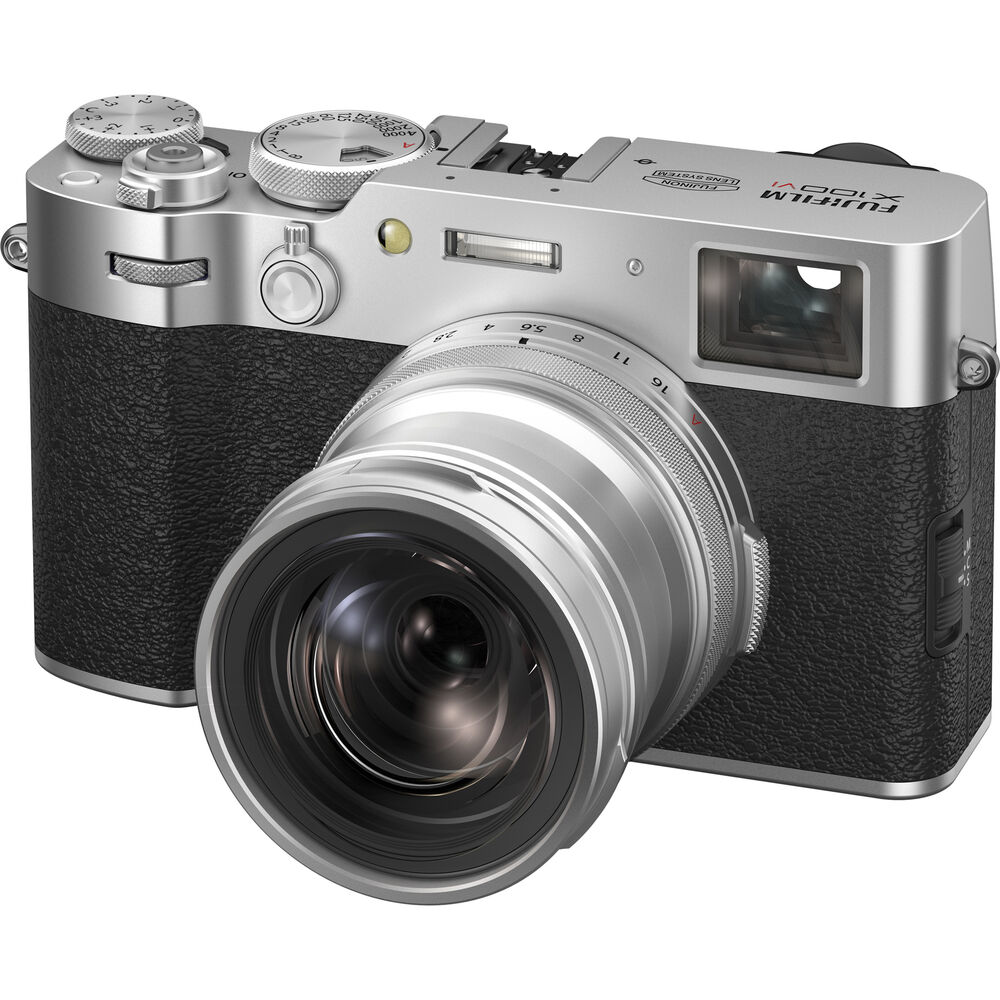
Fujifilm X100VI
If your answer to the weight question was "pocketable," and you value photo quality over versatility, this is the camera. The X100VI fits in a coat pocket yet produces 40.2MP images with Fujifilm's celebrated color science. Most photographers skip editing entirely because the JPEGs look that good.
Pros
- 40.2MP images from a pocketable body
- Film simulations produce stunning JPEGs
- Hybrid optical/electronic viewfinder
- Built-in ND filter for bright conditions
- Retro design you will want to carry everywhere
Cons
- Fixed 35mm equivalent lens -- no zoom
- Difficult to find in stock at retail
- Video is secondary to photo capability
- No interchangeable lenses
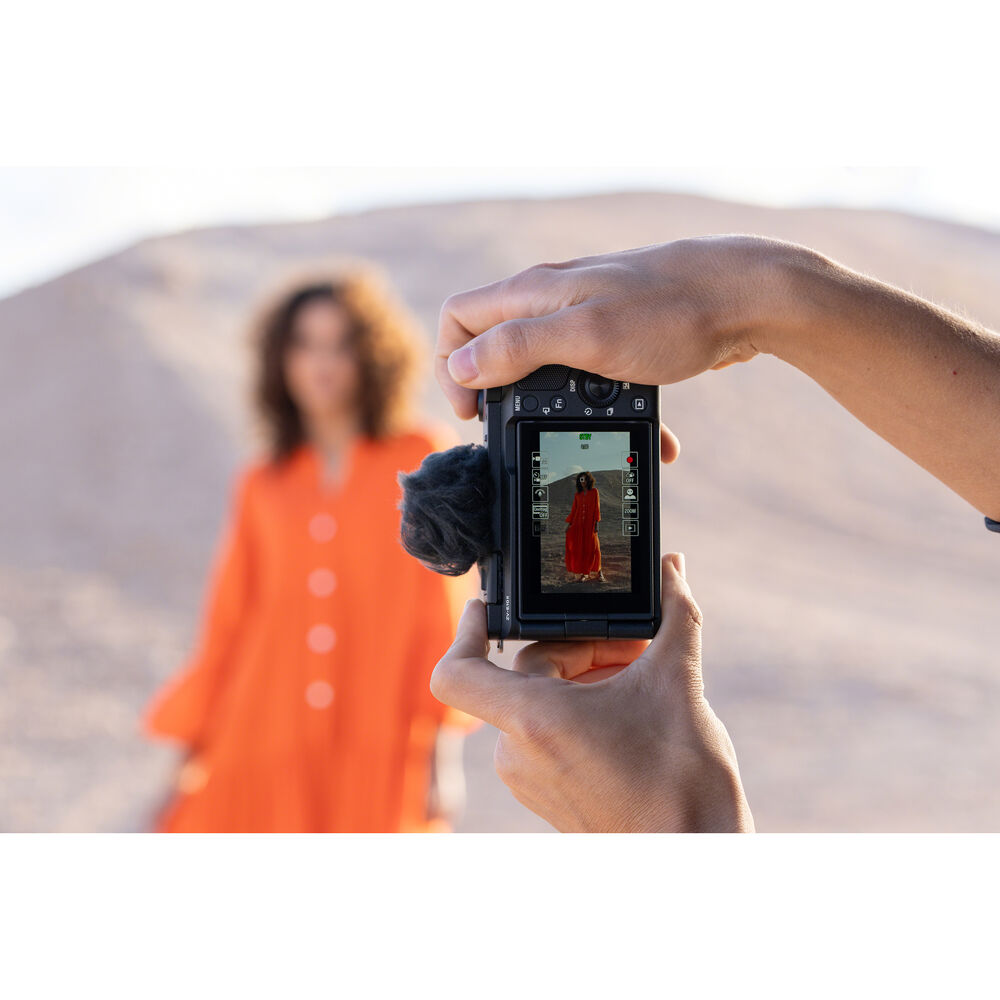
Sony ZV-E10 II
If video was your primary answer, and you create content for YouTube, TikTok, or Instagram, the ZV-E10 II was engineered for your exact workflow. The directional microphone isolates your voice, Active Stabilization smooths walking footage, and the articulating screen supports vertical shooting natively.
Pros
- AI autofocus from Sony's flagship a6700
- Active Stabilization rivals dedicated gimbals
- Directional 3-capsule microphone built in
- Vertical shooting support for social media
- Full Sony E-mount lens ecosystem
Cons
- No in-body image stabilization (electronic only)
- No weather sealing
- Small grip may not suit larger hands
- Best paired with a quality lens beyond the kit option
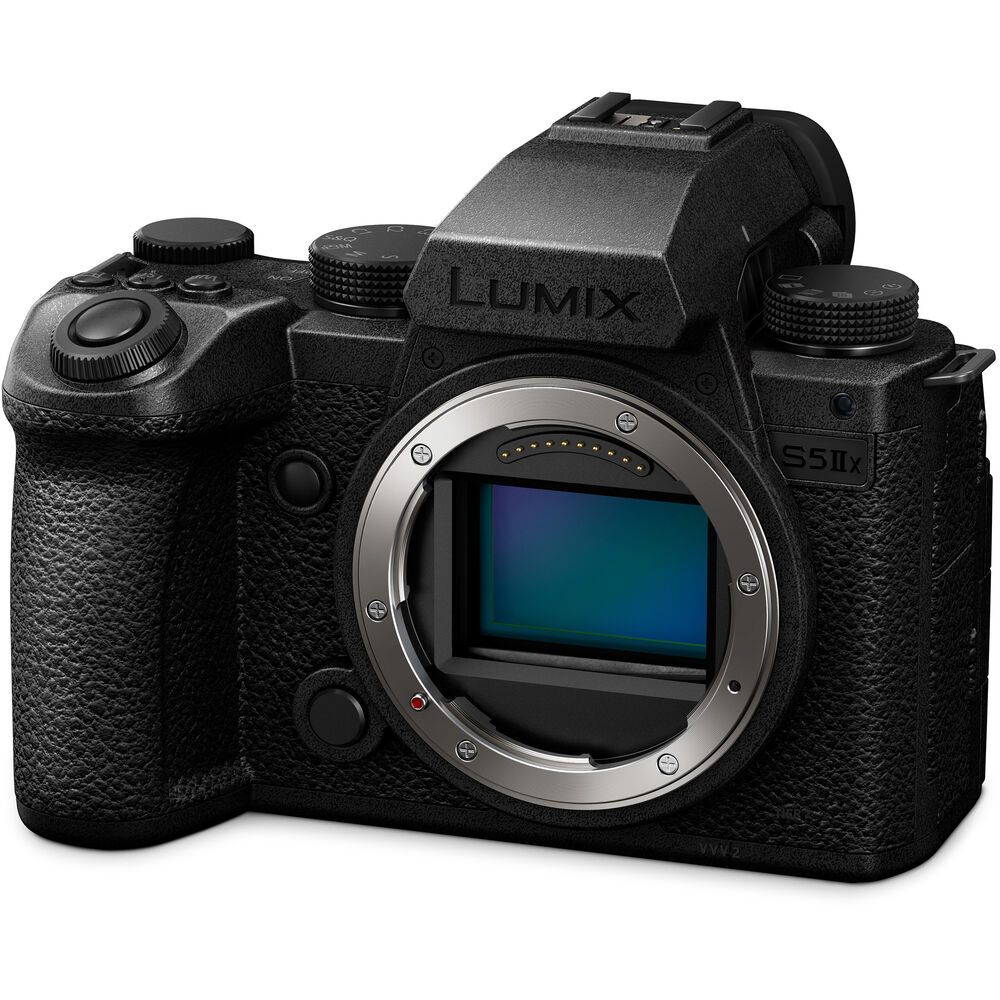
Panasonic Lumix S5 IIX
If you answered "video is my primary output" and you do client work, short films, or professional YouTube, this is the camera. Unlimited 4K 60fps with no overheating, internal ProRes recording, Blackmagic RAW via HDMI, and 6K capability. No other camera at this price offers this video feature set.
Pros
- Unlimited 4K 60fps 10-bit internal recording
- ProRes and Blackmagic RAW codec support
- 6K video for downsampling or crop flexibility
- Dual IBIS produces gimbal-smooth handheld footage
- Full-frame sensor with excellent dynamic range
Cons
- Autofocus trails Sony and Canon for fast action
- Heavier than APS-C alternatives
- L-mount lens selection is smaller than competitors
- Steep learning curve for the menu system
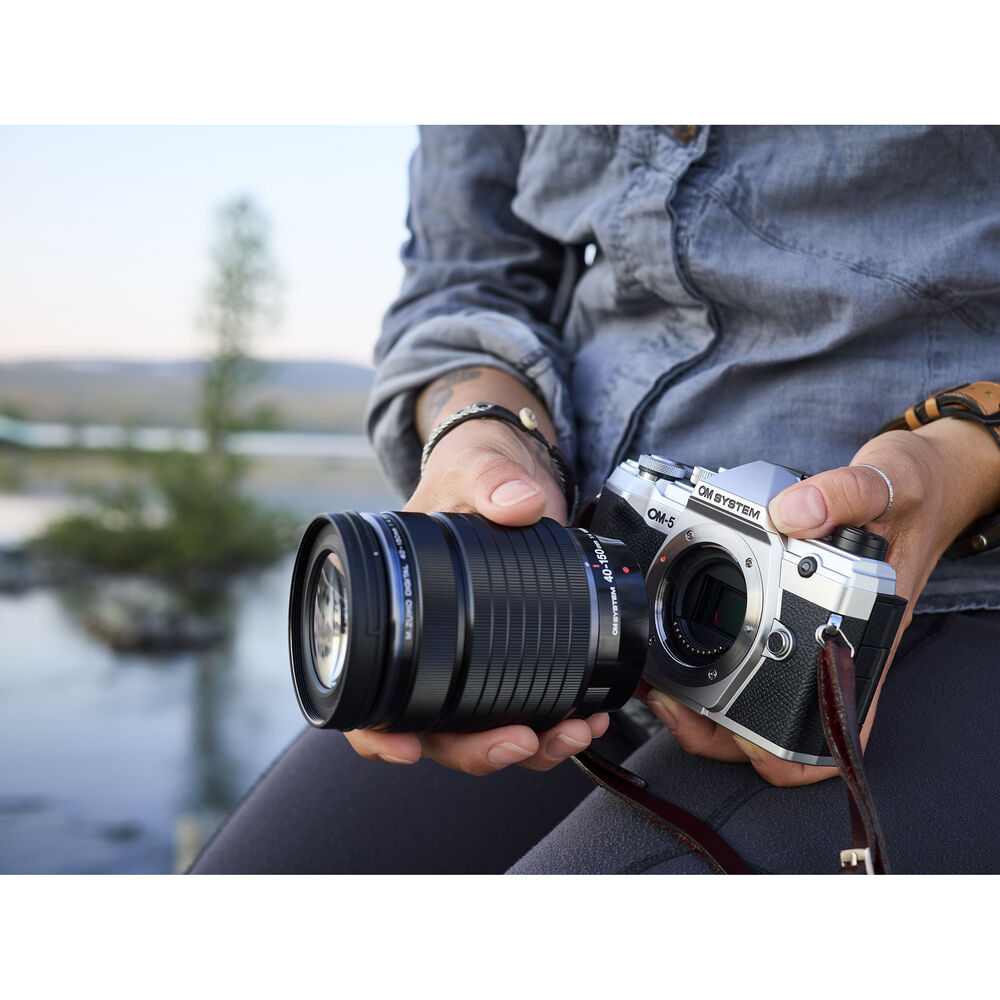
OM System OM-5
If your priority is a camera that goes everywhere without weighing you down, and you need it to survive rain, cold, and dust, the OM-5 is the clear answer. At 414 grams with IP53 weather sealing, it handles conditions that would sideline larger cameras. The 7.5-stop stabilization means sharp handheld shots even in dim museums and temples.
Pros
- Lightest weather-sealed system camera (414g)
- 7.5-stop IBIS -- best stabilization in any camera
- IP53 weather sealing for rain, dust, and cold
- Computational features (high-res shot, live ND, focus stacking)
- Compact, affordable Micro Four Thirds lens system
Cons
- Smaller sensor struggles in very low light above ISO 3200
- 20MP limits heavy cropping
- Battery life is below average
- Autofocus is good but not class-leading
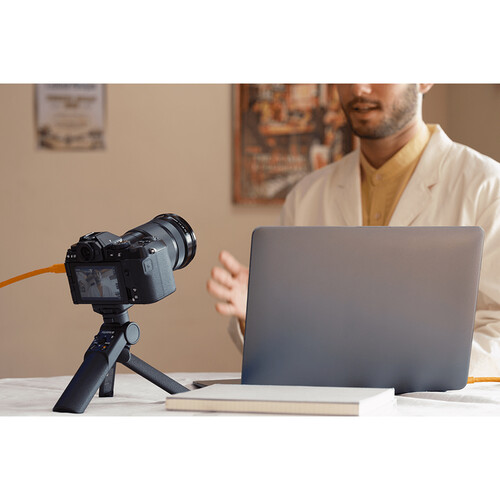
Fujifilm X-S20
If you want beautiful images without spending hours in Lightroom, Fujifilm's film simulations are the answer. The X-S20 shares the same sensor and processor as Fujifilm's higher-end bodies, giving you identical image quality and all 19 film simulation recipes. Classic Negative, REALA ACE, and Nostalgic Neg produce looks that other brands simply cannot replicate.
Pros
- 19 built-in film simulation recipes
- Same sensor and processor as higher-end Fujifilm bodies
- 5-axis in-body stabilization
- 6.2K video recording capability
- Compact, travel-friendly body
Cons
- No weather sealing
- Single card slot
- Electronic viewfinder is adequate, not exceptional
- Battery life is average
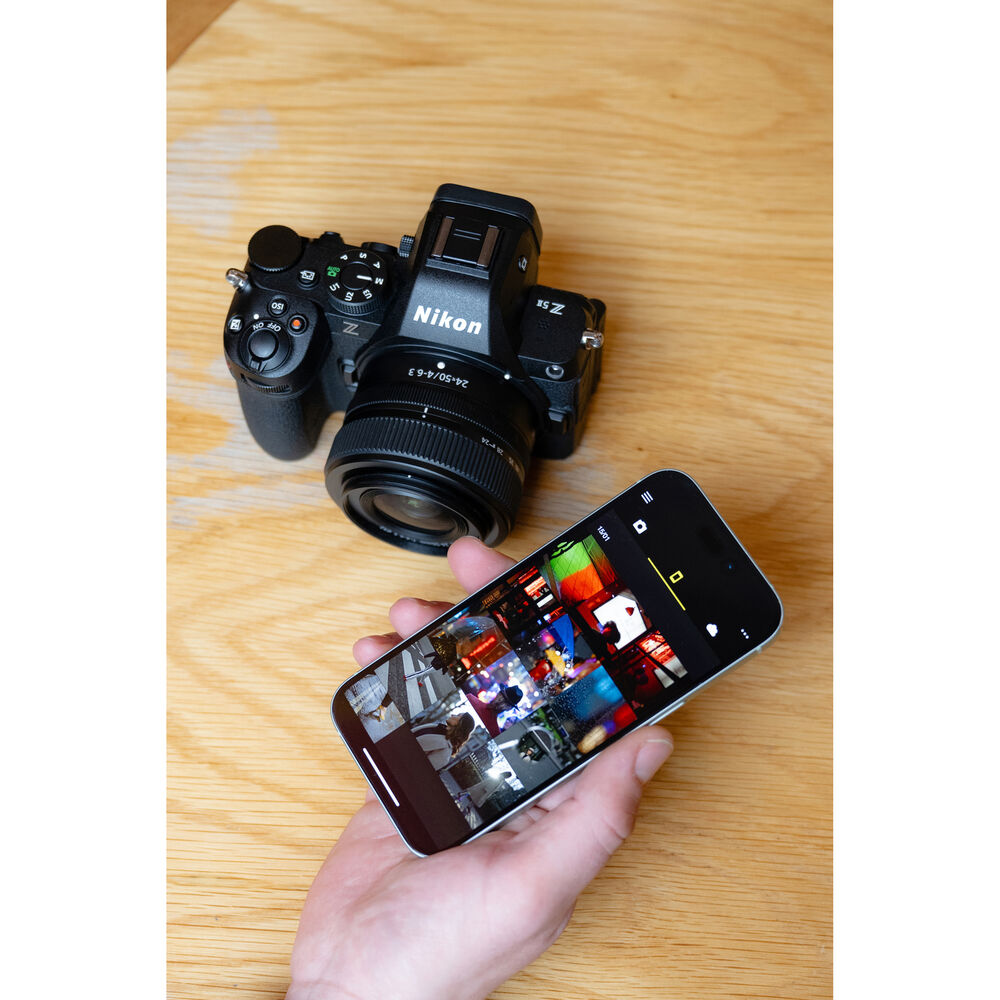
Nikon Z5 II
If you answered "I rarely shoot video" and you care most about image quality, the Z5 II is your camera. Full-frame sensor, dual SD card slots, deep weather sealing, and the same autofocus system as Nikon's flagship Z8. The comfortable grip is built for long portrait sessions and event coverage. Nikon's native Z lenses are among the sharpest in the industry.
Pros
- Full-frame sensor at a mid-range price point
- Same AF system as Nikon's flagship Z8
- Dual SD card slots for backup or overflow
- Deep, comfortable grip for extended shooting
- Excellent battery life for a mirrorless camera
Cons
- 4K video limited to 30fps -- not for serious video
- Slower burst rate than competitors
- Nikon Z lens selection still growing (but improving fast)
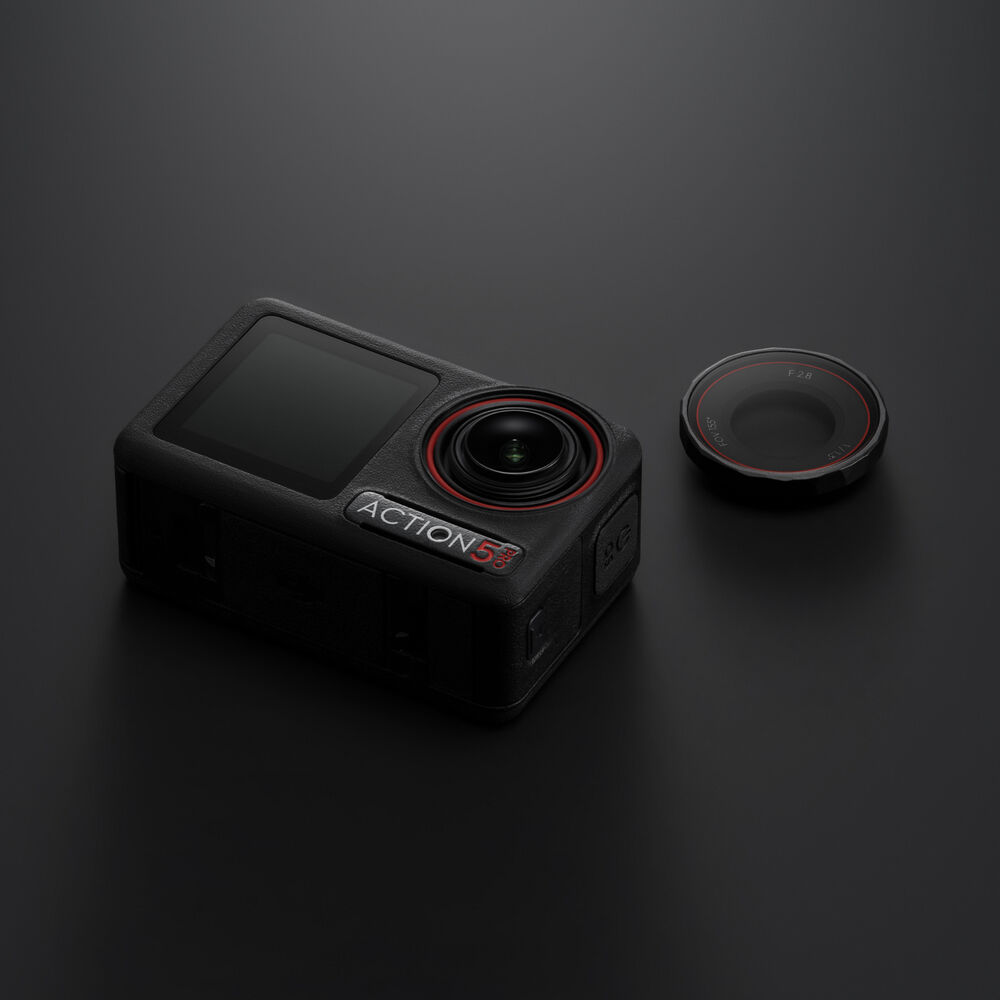
DJI Osmo Action 5 Pro
If you shoot action, adventure, or sports where the camera takes physical abuse, a traditional camera is the wrong tool. The Action 5 Pro is waterproof to 20 meters without a case, shockproof, and produces the smoothest stabilized footage in any action camera thanks to RockSteady 3.0+. Its oversized 1/1.3-inch sensor delivers noticeably better image quality than competitors.
Pros
- Largest sensor in any action camera (1/1.3-inch)
- Waterproof to 20m without a case
- RockSteady 3.0+ stabilization is gimbal-smooth
- Dual OLED touchscreens for easy framing
- Rugged enough for any extreme condition
Cons
- DJI app required for full functionality
- Wide-angle only -- no zoom capability
- Still photos are acceptable but not impressive
- Audio quality needs an external mic for best results
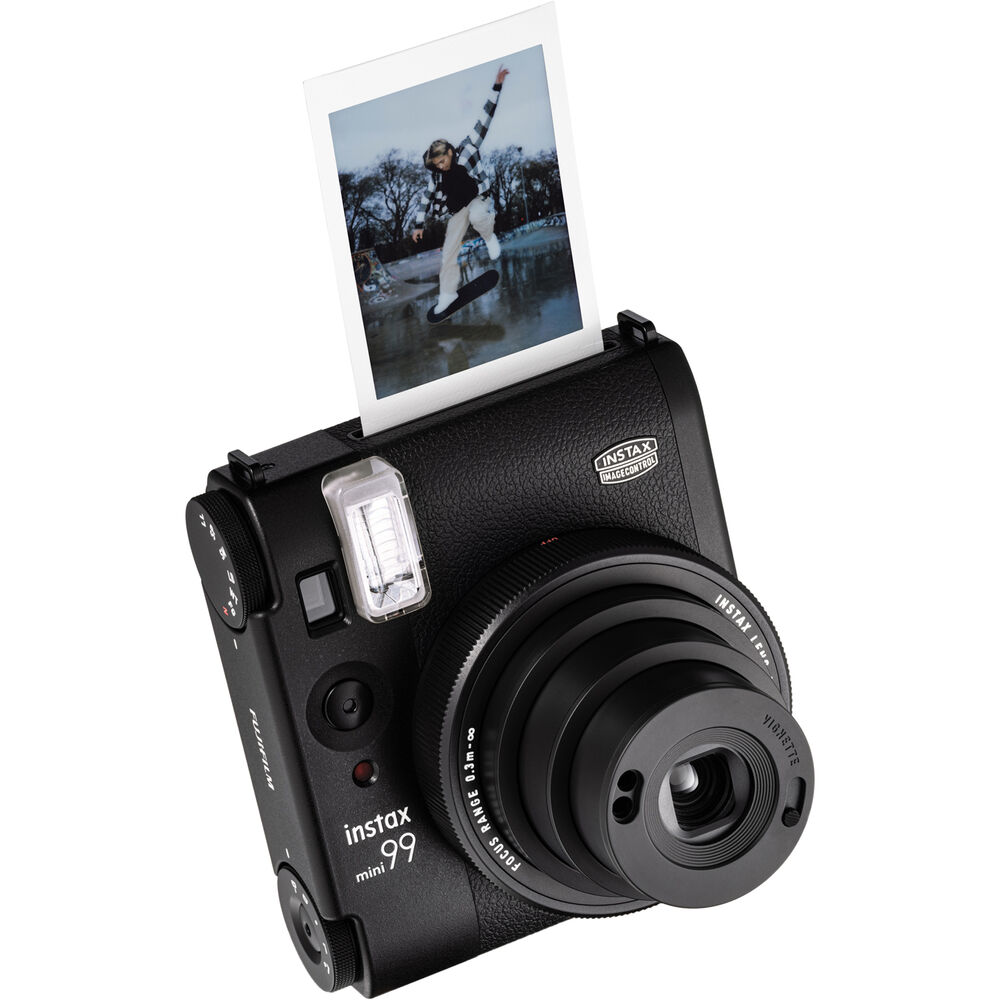
Fujifilm Instax Mini 99
If your answer was "social and creative," you are not looking for technical excellence -- you want the experience. The Instax Mini 99 delivers physical prints in seconds, turning any gathering into a shared moment. Unlike basic Instax cameras, the Mini 99 offers manual color effects and exposure control so each print has your creative stamp.
Pros
- Six color effect modes for creative prints
- Manual exposure and vignette control
- Premium all-black retro design
- Uses widely available Instax Mini film
- Built-in tripod mount
Cons
- Film cost adds up at roughly 60-80 cents per shot
- No digital preview before printing
- Uses disposable CR2 batteries (not rechargeable)
- No app connectivity or Bluetooth
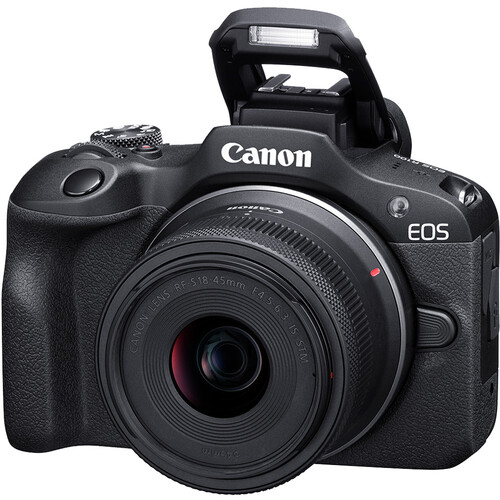
Canon EOS R100 with 18-45mm
If you answered "beginner" and budget is tight, the R100 is the most affordable way into a real interchangeable-lens camera. It strips away advanced features you don't need yet while keeping Canon's excellent autofocus and guided shooting modes. The kit lens covers a versatile range, and you'll have plenty of budget left over for a quality prime lens later.
Pros
- Canon's reliable autofocus in the most affordable mirrorless body
- Lightweight at 356g with a compact form factor
- Kit 18-45mm lens covers the most useful everyday range
- Compatible with the full Canon RF-S lens ecosystem
- Guided shooting modes help beginners learn
Cons
- No in-body stabilization
- Electronic viewfinder is basic
- Limited video features compared to pricier models
- No weather sealing

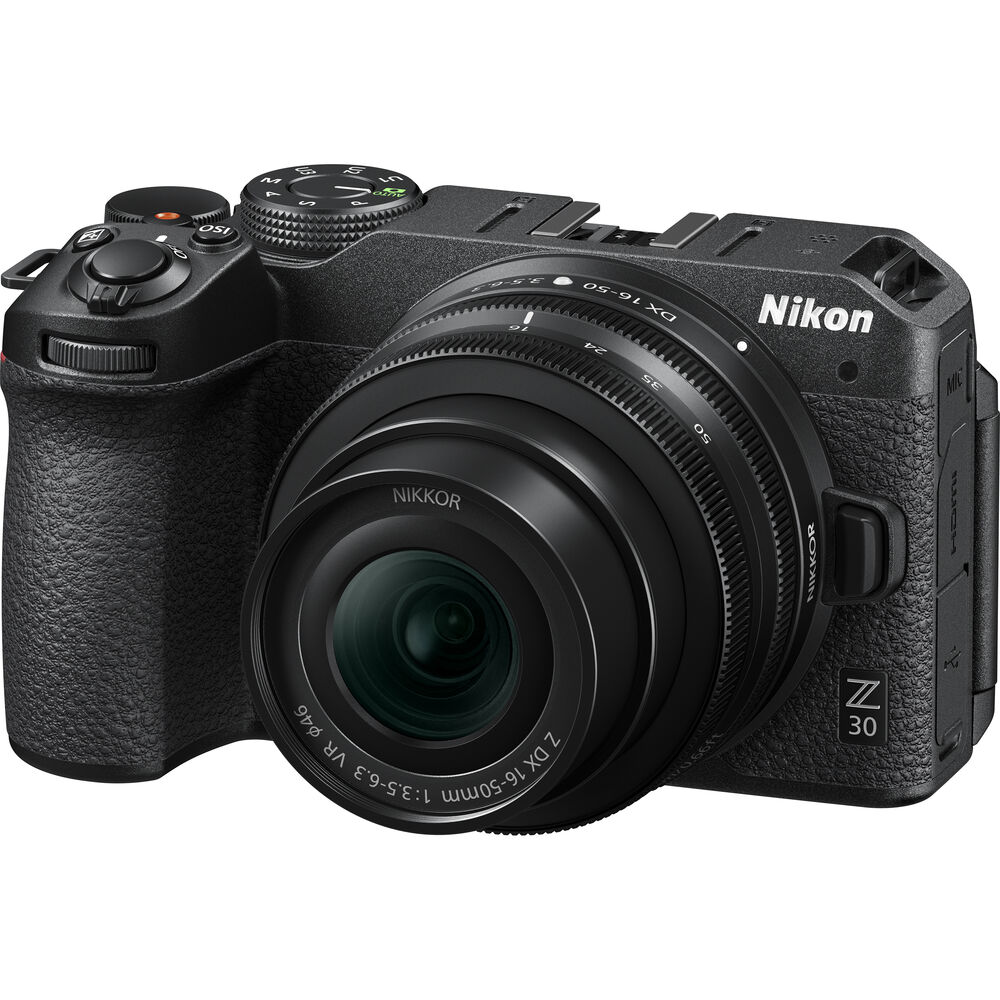
Nikon Z30 with 16-50mm
If you answered "video" but need to stay within a tight budget, the Z30 was designed around content creation at a fraction of what the Sony ZV-E10 II costs. No viewfinder keeps the price down and the profile flat -- this is a camera built to face you, not an eyepiece. The fully articulating screen and built-in stereo mic handle vlogging basics without accessories.
Pros
- Purpose-built for vlogging with a fully articulating screen
- Compact and lightweight DX-format body
- Strong 4K video with no crop
- Nikon's expanding Z-mount DX lens selection
- Currently available at a steep discount
Cons
- No electronic viewfinder
- No in-body stabilization
- Smaller battery than competitors
- Limited weather sealing
Ricoh GR IIIx
If your answers pointed to travel and street photography, and pocketability is your top priority, the GR IIIx is the most discreet serious camera ever made. Its 40mm equivalent lens is ideal for street work, the APS-C sensor delivers genuine image quality, and the body is small enough to disappear into a trouser pocket. Note: currently on backorder, so check availability before purchasing.
Pros
- Truly pocket-sized with an APS-C sensor
- 40mm equivalent focal length ideal for street photography
- Snap focus system for instant zone focusing
- Understated design that draws zero attention
- Built-in ND filter and image stabilization
Cons
- Fixed lens with no zoom capability
- Autofocus can hunt in low light
- Battery life is limited
- Currently on backorder at most retailers

GoPro HERO13 Black
If action and adventure was your primary answer and you also want the option of swappable lens mods, the HERO13 adds a magnetic lens system that the DJI cannot match. Swap between ultra-wide, macro, and anamorphic looks without tools. HyperSmooth 6.0 stabilization handles the roughest conditions, and GPS integration logs exactly where you captured every clip.
Pros
- Magnetic interchangeable lens mod system is unique
- HyperSmooth 6.0 stabilization for rough conditions
- GPS and motion sensors for performance data overlay
- Waterproof to 10m without a case (deeper with housing)
- 5.3K recording with improved low-light sensor
Cons
- Lens mods are an additional investment
- Smaller sensor than DJI Osmo Action 5 Pro
- Battery life in cold conditions is average
- Subscription model for cloud storage is pushy
Frequently Asked Questions
What is the best camera for a complete beginner in 2026?
The Fujifilm X-S20 ($1,000 with kit lens) or Canon EOS R50 ($480 with kit lens). Both have beginner-friendly auto modes, excellent autofocus, and compact bodies. The Fujifilm costs more but has superior image quality and film simulation modes. The Canon is the better budget pick. For absolute beginners on a tight budget, a used Sony a6100 ($350-400) is excellent.
What camera should I buy if I mostly shoot video?
The Sony a6700 ($1,200 body) or Fujifilm X-S20 ($1,000 with kit lens) for under $1,500. Both shoot excellent 4K video with strong stabilization and reliable autofocus. For $500-800, the Sony ZV-E10 II is designed specifically for content creators with a flip screen, good audio, and vlog-friendly features. For professional video, the Sony a7S III ($2,500) is the industry standard.
Is it worth upgrading from my phone camera?
Only if you shoot in challenging conditions (low light, fast action, wildlife, events) or want creative control (shallow depth of field, specific lenses, RAW processing). For well-lit everyday photos, vacations, and social media, a current flagship phone matches or beats a beginner camera in convenience and auto-mode quality. Upgrade when your phone camera frustrates you, not before.
What is the best lightweight camera for travel?
The Fujifilm X100VI ($1,600, fixed 23mm lens) is the most popular travel camera for its compact size, excellent image quality, and beautiful film simulations. For interchangeable lenses on a budget, the Sony a6400 ($800 body) with a compact zoom is lighter than most alternatives. For the absolute lightest option, the Ricoh GR IIIx ($1,000, pocket-sized) fits in a jacket pocket.
Should I buy the cheapest camera and spend more on lenses?
Yes, this is the smartest strategy for new buyers. A $500-800 camera body with a $300-500 quality lens produces better images than a $1,500 body with a cheap kit lens. Camera bodies depreciate and get replaced every 3-5 years. Good lenses hold their value and last 10-20 years. Invest in glass first, upgrade the body later.
What camera brand has the best lens selection?
Sony E-mount has the widest selection of both native and third-party lenses (Sigma, Tamron make excellent, affordable options). Canon RF mount has a strong but smaller native selection with limited third-party options. Fujifilm X-mount is well-covered for most needs. Nikon Z mount is growing but has the smallest third-party support currently. For lens flexibility, Sony has the clearest advantage.
What is the best instant camera in 2026?
The Fujifilm Instax Mini 12 ($80) for the classic instant photo experience -- it is simple, fun, and prints on widely available Instax Mini film ($0.50-0.75 per print). The Instax Wide 400 ($130) produces larger prints. The Polaroid Now+ ($150) uses Polaroid film ($1 per print, more expensive) but offers app-connected creative modes. Instax Mini 12 is the best starting point for most people.
Not sure where to start?
Follow the path that matches where you are in your decision. Each guide builds on the last.
You can start at any stage. Each article stands on its own, but reading in order gives you the full picture. Want the deep technical breakdown? See our Camera Specs Explained reference guide.
Best Time to Buy a Camera
Never Miss the Best Price
Get buying guides and deal alerts timed to when prices actually drop lowest.
Get Monthly Deal Alerts