The Phone You Should Actually Buy (Not the One With the Best Ad)
Matched to your camera needs, budget, and ecosystem -- not the hype cycle.
The phone you should buy depends on three things: what you value most (camera, battery, customization), how much you want to spend, and whether you are already locked into Apple or Google's ecosystem. Everything else -- benchmark scores, megapixel counts, refresh rate numbers -- is marketing noise.
Answer three questions about how you use your phone and this guide will match you to a specific model. Each recommendation includes honest pros and cons so you know exactly what you are getting and what you are giving up.
Not sure whether to go iPhone or Android? Start with our iPhone vs Android comparison for a deep dive on ecosystem, cameras, and privacy. Want to understand the full cost beyond the purchase price? See The Real Cost of a Smartphone. And before you buy, read 5 phone buying mistakes that waste your money. Already know what you want? Check when phone prices drop lowest.
How This Guide Works
We organized recommendations by use case, not by spec sheet. Answer three questions and you will have a specific shopping list.
Question 1: What Matters Most to You?
Best Camera System
If photography is your top priority, the iPhone 16 Pro and Google Pixel 9 Pro are co-leaders. The iPhone 16 Pro wins on video quality and overall consistency. The Pixel 9 Pro wins on computational photography -- Magic Eraser, Best Take, and AI editing tools that feel years ahead. The Samsung Galaxy S25 Ultra has the highest-resolution sensor (200MP) and best zoom, but its photo processing can be aggressive with sharpening and color saturation.
Best Value for Money
If you want the most phone for the least money, the sweet spot is $400-$800. The Google Pixel 9 ($799) gives you the same Tensor G4 chip and AI features as the $999 Pro. The iPhone 16 ($829) shares the A18 chip with the Pro models. The Samsung Galaxy A56 ($400) delivers 90% of the flagship experience at a third of the price.
Best Battery Life and Longevity
If you need your phone to last all day without thinking about it, the Samsung Galaxy S25 Ultra (5000mAh) and iPhone 16 Pro (all-day rated with efficiency optimizations) lead the field. Both promise 7 years of updates, meaning the phone you buy today will still receive security patches in 2033.
Maximum Customization
If you want total control over how your phone looks and works, Android is the only option. The Samsung Galaxy S25 series with One UI offers the most features out of the box. The Google Pixel 9 series offers the cleanest, most uncluttered Android experience.
Question 2: What Is Your Budget?
Under $500 (Budget)
Two strong options: the Samsung Galaxy A56 ($400) and the Google Pixel 8a ($499). The Galaxy A56 has a larger screen, better battery, and IP67 water resistance. The Pixel 8a has a better camera, cleaner software, and 7 years of updates. If camera quality matters, choose the Pixel 8a. If screen size and battery matter more, choose the Galaxy A56.
$750 to $1,000 (Mid-Range Flagship)
This is the sweet spot where you get 90% of flagship performance. The Google Pixel 9 ($799), Samsung Galaxy S25 ($800), and iPhone 16 ($829) all share the same generation processor as their Pro models. The savings come from camera system differences (no telephoto lens, lower-res ultrawide) and slightly smaller batteries.
Over $1,000 (Premium)
The iPhone 16 Pro ($999), Google Pixel 9 Pro ($999), and Samsung Galaxy S25 Ultra ($1,300) represent the best phones money can buy. The differences at this level are marginal -- you are paying for the best cameras, largest batteries, and premium materials. Choose based on ecosystem preference, not features.
Question 3: What Ecosystem Are You In?
Apple Ecosystem (Mac, iPad, Apple Watch)
Stay with iPhone. The ecosystem integration (iMessage, AirDrop, Handoff, Apple Watch) is worth more than any Android feature advantage. Choose between iPhone 16 ($829) for value or iPhone 16 Pro ($999) for the best camera and ProMotion display.
Google Ecosystem (Gmail, Google Photos, Chromebook)
The Google Pixel 9 series offers the most integrated Google experience. Stock Android with immediate updates, the best Google Assistant integration, and native Gemini AI. Choose Pixel 9 ($799) for value or Pixel 9 Pro ($999) for the telephoto lens and more RAM.
Samsung Ecosystem (SmartThings, Galaxy Watch, Galaxy Buds)
Samsung phones integrate best with Samsung accessories and smart home devices. The Galaxy S25 ($800) is the most compact option. The Galaxy S25 Ultra ($1,300) adds the S Pen and 200MP camera. Samsung phones work well with any Android ecosystem but have the deepest integration with Samsung accessories.
No Ecosystem Preference
If you are starting fresh or platform-neutral, choose based on budget and camera priority. Under $500: Pixel 8a. Under $1,000: Pixel 9 or iPhone 16. Over $1,000: iPhone 16 Pro or Galaxy S25 Ultra. See our full iPhone vs Android comparison for a deeper ecosystem analysis.
Quick-Match Summary
| Your Priority | Our Pick | Why It Fits |
|---|---|---|
| Best overall phone | iPhone 16 Pro | Best camera system, A18 Pro, 7 years of updates |
| Best Android phone | Samsung Galaxy S25 Ultra | S Pen, 200MP camera, 5000mAh battery |
| Best camera value | Google Pixel 9 Pro | Best computational photography, AI editing |
| Best value iPhone | iPhone 16 | Same A18 chip as Pro, $170 less |
| Best compact Android | Samsung Galaxy S25 | 6.2" screen, flagship chip, one-hand friendly |
| Best budget flagship | Google Pixel 9 | Same chip as Pro, great camera, clean Android |
| Best mid-range | Samsung Galaxy A56 | 120Hz AMOLED, IP67, $400 |
| Best budget phone | Google Pixel 8a | 7 years of updates, great camera, $499 |
What We Recommend
Based on our research, these are our top picks. Prices change frequently -- click through to see the latest.
- 1.iPhone 16 Pro -- Apple ecosystem users who want the best camera and performance. Video creators and content producers. Anyone who values long-term software support and resale value.
- 2.Samsung Galaxy S25 Ultra -- Power users who want every feature available. Note-takers and artists who will actually use the S Pen. Photographers who need the best zoom and highest resolution sensor.
- 3.Google Pixel 9 Pro -- Photography enthusiasts who want the most advanced AI-powered editing tools. Google ecosystem users who want the purest Android experience. Anyone who values getting software updates first.
- 4.iPhone 16 -- iPhone users who want current-gen performance without paying Pro prices. First-time iPhone buyers who do not need a telephoto lens. Anyone upgrading from an iPhone 12 or older.
- 5.Samsung Galaxy S25 -- People who want a compact phone that does not sacrifice performance. One-hand users who find 6.7-inch phones too large. Android users who want flagship specs at a lower price point.
- 6.Google Pixel 9 -- Budget-conscious buyers who want flagship performance and camera quality. Google ecosystem users who do not need a telephoto lens. Anyone who values clean software and fast updates over maximum camera flexibility.
- 7.Samsung Galaxy A56 -- Budget-conscious buyers who want a large screen and long battery life. Anyone who does not need flagship camera quality or gaming performance. Students and first-time smartphone buyers who want reliability without overspending.
- 8.Google Pixel 8a -- Budget buyers who want the best camera under $500. Anyone who wants flagship-length software support (7 years) at a budget price. Google ecosystem users who do not need flagship performance.

iPhone 16 Pro
A18 Pro chip, 48MP triple camera system with 5x telephoto, titanium design, Action button, USB-C, 7 years of updates. The iPhone 16 Pro is the most complete phone available -- best video recording, excellent photos, the most powerful mobile processor, and seamless integration with the Apple ecosystem. The titanium build is lighter and more durable than stainless steel. USB-C finally unifies charging across all your devices.
Pros
- Best camera system in any phone -- especially for video recording and stabilization
- A18 Pro chip delivers the fastest mobile performance available
- Titanium build is lighter and more scratch-resistant than stainless steel
- 7 years of guaranteed software and security updates
- USB-C charging unifies with MacBook, iPad, and accessories
Cons
- Starting at $999 is expensive, even for a flagship
- Incremental upgrade from iPhone 15 Pro -- not worth upgrading yearly
- No true telephoto zoom below 5x optical
- 60Hz display on base model (only Pro has ProMotion 120Hz)

Samsung Galaxy S25 Ultra
Snapdragon 8 Elite, 200MP main camera with 5x optical zoom, built-in S Pen, 5000mAh battery, titanium frame, 7 years of updates. The Galaxy S25 Ultra is the most feature-packed phone available. The 200MP sensor captures extraordinary detail, the S Pen adds productivity capabilities no other phone offers, and the 5000mAh battery easily lasts a full day of heavy use. Galaxy AI features add real utility for translation, summarization, and photo editing.
Pros
- Built-in S Pen for notes, sketches, and precise screen interaction
- 200MP main camera captures extraordinary detail and has the best zoom
- Snapdragon 8 Elite is the fastest Android processor available
- 5000mAh battery consistently lasts a full day of heavy use
- 7 years of OS and security updates guaranteed
Cons
- $1,300 makes it the most expensive mainstream phone
- S Pen use cases are niche -- most users rarely touch it after the first month
- Samsung One UI includes bloatware and duplicate apps
- Large 6.9-inch screen makes one-hand use difficult

Google Pixel 9 Pro
Tensor G4 chip, 50MP triple camera with 5x telephoto, 6.3-inch LTPO OLED 120Hz display, Gemini AI built in, 7 years of updates. The Pixel 9 Pro has the most advanced computational photography on any phone. Magic Eraser removes unwanted objects from photos. Best Take combines faces from multiple shots. The AI photo editing tools feel a generation ahead of the competition. The cleanest Android experience with no bloatware and same-day security updates.
Pros
- Best computational photography -- Magic Eraser, Best Take, AI editing are genuinely useful
- Cleanest Android experience with zero bloatware and fastest updates
- Gemini AI built in for on-device translation, summarization, and assistance
- 7 years of updates delivered first, before any other Android phone
- Excellent night photography with Night Sight mode
Cons
- Tensor G4 chip is less powerful than Snapdragon 8 Elite in raw benchmarks
- Smaller battery than Samsung Galaxy S25 Ultra
- Limited carrier trade-in deals compared to iPhone and Samsung
- Google's hardware track record is shorter than Apple or Samsung
iPhone 16
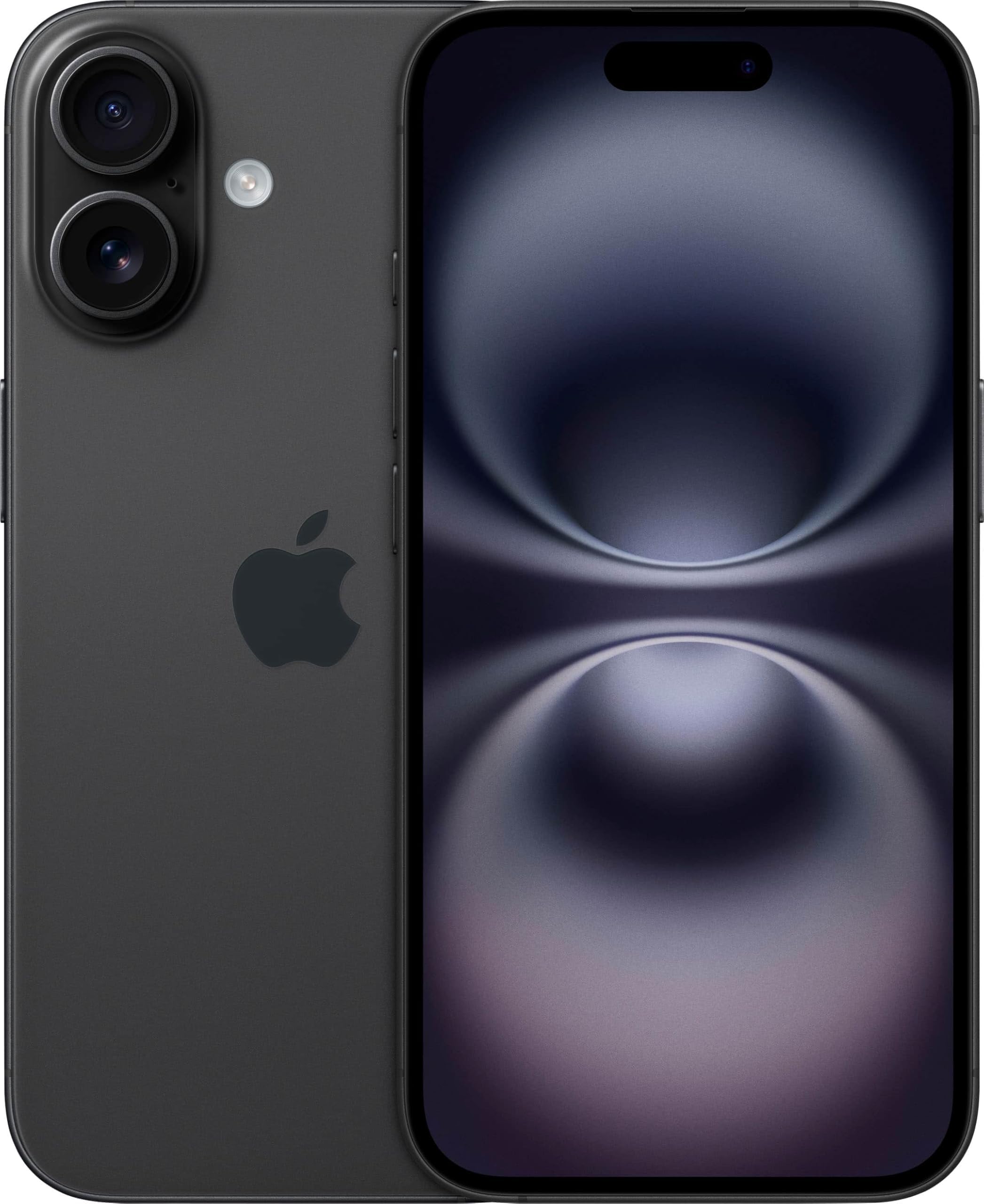
A18 chip (same generation as Pro), 48MP dual camera system, Action button, USB-C, Dynamic Island, 7 years of updates. The iPhone 16 shares the same generation processor as the Pro models at $170 less. The 48MP main camera takes excellent photos -- you lose the telephoto lens and some computational features, but the core photo quality is nearly identical in good light. The Action button and Dynamic Island, previously Pro-exclusive, are now standard.
Pros
- A18 chip (same generation as Pro) delivers identical app performance
- 48MP main camera takes excellent photos in most conditions
- Action button now standard -- customizable hardware shortcut
- USB-C charging unifies with all modern devices
- Same 7-year update promise as the Pro models
Cons
- No telephoto lens -- you lose optical zoom entirely
- 60Hz display in 2026 when competitors offer 120Hz at this price
- Dynamic Island is present but slightly smaller than Pro
- No ProMotion -- scrolling and animations are noticeably less smooth

Samsung Galaxy S25
Snapdragon 8 Elite, 6.2-inch Dynamic AMOLED 2X 120Hz display, 50MP triple camera, Galaxy AI, 7 years of updates. The Galaxy S25 is the rare compact flagship that does not compromise on performance. The same Snapdragon 8 Elite chip as the Ultra powers everything from gaming to AI features. The 6.2-inch screen is manageable for one-hand use while still being large enough for media consumption. Galaxy AI adds useful features like live translation, Circle to Search, and AI-powered photo editing.
Pros
- Compact 6.2-inch size is excellent for one-hand use
- Same Snapdragon 8 Elite chip as the Ultra -- no performance compromise
- 120Hz Dynamic AMOLED display is bright and smooth
- Galaxy AI features add real daily utility
- 7 years of guaranteed software updates
Cons
- Smaller battery than Ultra means shorter battery life
- No S Pen support
- 50MP main camera vs 200MP on Ultra -- less detail and zoom
- Build feels slightly less premium than the Ultra's titanium frame

Google Pixel 9
Tensor G4 chip (same as Pro), 50MP dual camera, 6.3-inch Actua OLED 120Hz display, Gemini AI, 7 years of updates. The Pixel 9 gives you the same processor, same AI capabilities, and the same excellent main camera as the $999 Pro model. You lose the telephoto lens and ultrawide resolution, but the core photo and video quality from the main sensor is identical. The cleanest Android experience available -- no bloatware, no duplicate apps, just Google's vision of what Android should be.
Pros
- Same Tensor G4 chip and Gemini AI as the $999 Pro model
- Excellent main camera with the same sensor as the Pro
- Cleanest Android experience with zero bloatware
- 7 years of updates delivered first among Android phones
- $200 less than the Pro with 90% of the camera capability
Cons
- No telephoto lens -- no optical zoom
- Ultrawide camera is lower resolution than Pro
- Smaller battery than Pro and Samsung competitors
- No 5x optical zoom for distant subjects

Samsung Galaxy A56
6.7-inch Super AMOLED 120Hz display, 50MP OIS main camera, IP67 water resistance, 5000mAh battery, 6 years of software updates. The Galaxy A56 delivers an experience that feels 90% as good as a flagship at less than a third of the price. The 120Hz AMOLED display is vibrant and smooth. The 50MP camera with optical image stabilization takes respectable photos in most conditions. IP67 water resistance means you do not need to worry about rain or accidental splashes. The 5000mAh battery easily lasts a full day.
Pros
- 6.7-inch 120Hz AMOLED display looks and feels premium
- 50MP camera with OIS takes good photos in most conditions
- IP67 water resistance at this price is exceptional
- 5000mAh battery lasts a full day with ease
- 6 years of software updates at less than half the flagship price
Cons
- Processor is noticeably slower than flagships for gaming and heavy multitasking
- Plastic back feels less premium than glass or titanium flagships
- Camera is good but cannot match flagship computational photography
- Slower wired charging than flagships -- no wireless charging
Google Pixel 8a
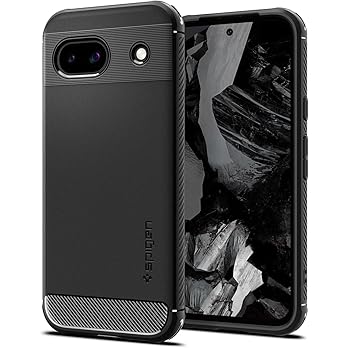
Tensor G3 chip, 64MP main camera with excellent computational photography, 6.1-inch OLED 120Hz display, 7 years of software and security updates, Gemini AI. The Pixel 8a is the budget phone that punches hardest above its weight. The Tensor G3 chip enables the same AI features as the flagship Pixels -- Magic Eraser, Best Take, Live Translate, and Gemini. The 64MP camera benefits from Google's industry-leading computational photography. And the 7-year update promise (same as the $999 Pixel 9 Pro) means this $499 phone will be supported through 2031.
Pros
- Tensor G3 chip enables same AI features as flagship Pixels
- 7 years of updates (same promise as $999 Pro models) -- best longevity at this price
- Excellent camera for the price thanks to Google's computational photography
- Clean Android experience with zero bloatware
- Gemini AI for translation, summarization, and smart assistance
Cons
- 60Hz display in 2026 feels dated compared to 120Hz competitors
- Slower wired and wireless charging than flagship phones
- Plastic build does not feel as premium as glass or metal phones
- Camera processing is noticeably slower than flagship Pixel models
Frequently Asked Questions
What is the best phone to buy in 2026?
For most people, the iPhone 16 or Samsung Galaxy S26 in the standard (non-Pro) version. Both offer 95% of the flagship experience at $200-300 less than the Pro models. The Google Pixel 10 is the best value pick at $100-200 less than iPhone/Samsung with a superior camera computational engine. Choose based on your ecosystem, not on spec sheets.
Is the Pro version of a phone worth the extra money?
For most people, no. The standard iPhone 16 vs 16 Pro difference is: slightly better zoom lens, ProRes video, always-on display, and titanium frame. Worth it for professional photographers and videographers. For everyone else, the $200 savings on the standard model buys you a case, screen protector, and has money left over.
How much should I spend on a phone?
$500-800 gets you an excellent phone that lasts 5+ years (Google Pixel 10, iPhone 16, Samsung Galaxy S26). Under $400, the Pixel 8a and Samsung A-series are surprisingly capable. Over $1,000 is only justified if you need the best camera zoom, largest screen, or specific professional features. The sweet spot for most people is the $600-800 range.
Should I buy Samsung, iPhone, or Google Pixel?
iPhone for the Apple ecosystem (Mac, iPad, Apple Watch, AirPods). Samsung for the widest Android feature set (foldables, S Pen, DeX desktop mode). Pixel for the best camera experience per dollar and the purest Android software. All three make phones that last 6-7 years with updates. Your ecosystem and camera priority should drive the decision.
When is the best time to buy a new phone?
One month after the new model launches. Launch-day stock is limited and trade-in values are at their peak. Waiting 4-6 weeks gets you full availability, early bug fixes via software updates, and the same trade-in values. Black Friday (November) and Amazon Prime Day (July) also bring $50-150 off recent flagships.
Is 128GB enough storage for a phone?
For most people, yes. Cloud storage (iCloud, Google Photos) offloads photos and videos automatically. 128GB fills up only if you store large game libraries, download movies for offline viewing, or shoot extensive 4K video locally. If you use cloud storage and stream music/video, 128GB is plenty for 3-5 years. If you hoard media locally, get 256GB.
Should I buy an unlocked phone or one from my carrier?
Unlocked gives you freedom to switch carriers, avoid bloatware, and get updates faster. Carrier phones are sometimes $50-200 cheaper upfront but may be locked for 2-3 years and come with carrier apps you cannot remove. If you plan to stay with your carrier for 2+ years, carrier pricing can be a good deal. If you value flexibility, buy unlocked.
Not sure where to start?
Follow the path that matches where you are in your decision. Each guide builds on the last.
You can start at any stage. Each article stands on its own, but reading in order gives you the full picture. Want to know when prices drop? See our Best Time to Buy a Phone pricing calendar.
Continue Reading
Your Phone Costs $3,000-$4,500 Over Three Years. Here Is Why.
Monthly payments hide the true cost. Add the plan, case, insurance, and trade-in loss, and the math gets uncomfortable.
12 min readThe Carrier Store Is Designed to Make You Overspend
Financing traps, insurance you do not need, and three other phone-buying errors that quietly drain hundreds.
11 min readiPhone or Android: The Honest Answer Nobody Gives You
Ecosystem lock-in, cameras, privacy, and value compared without the fanboy loyalty test.
14 min readNever Miss the Best Price
Get buying guides and deal alerts timed to when prices actually drop lowest.
Get Monthly Deal Alerts