Good Tires, Great Tires, and Tires That Are a Waste of Money
We compared 40+ models across three price tiers. Some cheap tires are fine. Some expensive ones are not worth it.
A set of four tires will cost you anywhere from $200 to $1,000 -- but the sticker price only tells half the story. What actually matters is cost per mile. A $200 premium tire rated for 80,000 miles costs $0.0025 per mile. A $60 budget tire rated for 40,000 miles costs $0.0015 per mile -- cheaper up front, but you will be buying replacements twice as often, paying for mounting and balancing again, and spending another Saturday at the tire shop.
The tire industry loves brand loyalty, but the smartest buyers think in tiers. Premium tires ($150-$250 each) use cutting-edge rubber compounds and carry the longest warranties. Mid-range tires ($80-$150 each) borrow technology from premium lines at a fraction of the cost. Budget tires ($50-$80 each) get the job done for drivers who do not need peak performance in every condition.
We spent over 100 hours analyzing treadwear ratings, wet braking distances, road noise measurements, and warranty terms across more than 40 tire models. We cross-referenced Consumer Reports data, Tire Rack customer reviews, and UTQG government ratings to find the best options in each tier. This is not a list of the most expensive tires -- it is a guide to getting the most tire for your money, whatever your budget.
Below, we break down exactly what you get (and give up) at each price point, compare our top 9 picks head-to-head, and show you how to save hundreds on whichever tire you choose. If you are also wondering about timing your purchase, check our Best Time to Buy Tires guide for the cheapest months and how to stack manufacturer rebates.
Understanding Tire Tiers
Every major tire manufacturer operates across all three price tiers, either through their main brand or sub-brands. Understanding what separates the tiers helps you decide where your money is best spent.
Premium Tier: $150-$250 Per Tire
Brands: Michelin, Continental, Bridgestone, Pirelli, Goodyear (Assurance line)
Premium tires use the latest silica-infused rubber compounds that maintain flexibility in cold weather and grip in wet conditions. You are paying for years of R&D, extensive testing on real roads, and warranties that often cover 70,000-80,000 miles. These tires typically score highest in independent wet braking tests and deliver the quietest ride.
Mid-Range Tier: $80-$150 Per Tire
Brands: Cooper, General Tire, Hankook, Firestone, Yokohama, Toyo
Mid-range tires are where value gets interesting. Many of these brands are owned by premium parent companies -- Cooper is owned by Goodyear, General by Continental, Firestone by Bridgestone. They use simplified versions of premium compounds and tread designs. Warranties typically cover 55,000-75,000 miles.
Budget Tier: $50-$80 Per Tire
Brands: Kumho, Nexen, Westlake, Falken, Sailun, Sentury
Budget tires meet all the same DOT safety standards as premium tires. The trade-offs come in tread life (35,000-50,000 mile warranties), wet weather performance (longer stopping distances), and road noise. For low-mileage drivers or vehicles you plan to sell within a year or two, budget tires can be the rational choice.
Premium Tier Deep Dive
Premium tires cost more because the R&D behind them is genuinely expensive. Michelin alone spends over $700 million annually on tire research. That investment shows up in three areas that directly affect your driving experience:
Compound technology: Premium tires use multi-compound tread designs where the outer shoulder uses a harder rubber for cornering stability while the center uses a softer compound for wet grip. Budget tires use a single compound across the entire tread face.
Tread design: Computer-optimized siping (the tiny slits in the tread blocks) channels water away from the contact patch. Premium tires can evacuate up to 8 gallons of water per second at highway speed. This is why wet braking distances between premium and budget tires can differ by 15-30 feet -- the length of one to two car lengths.
Warranty and support: Michelin, Continental, and Bridgestone all offer road hazard warranties, satisfaction guarantees (try them for 60 days, return if not satisfied), and flat tire changing assistance. You will not find these programs from budget brands.
When Premium Is Worth It
- You drive more than 15,000 miles per year
- You live in an area with heavy rain or mixed weather
- You have a luxury or performance vehicle where ride quality matters
- You plan to keep the car for 5+ years
- You value the peace of mind from long warranties
When Premium Is Overkill
- You drive under 8,000 miles per year
- You live in a dry, warm climate (Phoenix, Las Vegas, etc.)
- The car is a short-term vehicle you plan to sell or trade
- You mostly drive city streets at low speeds
Mid-Range: The Sweet Spot
The mid-range tier is where most drivers should start their search. These tires deliver 80-90% of premium performance at 50-65% of the price. Here is the math that makes mid-range compelling:
Take a common size like 225/65R17. A set of four Michelin Defender 2 tires costs around $720 installed, with an 80,000-mile warranty. That is $0.009 per mile. A set of four Cooper Endeavor Plus tires in the same size costs around $520 installed, with a 65,000-mile warranty. That is $0.008 per mile. The Cooper is actually cheaper per mile AND cheaper up front.
The gap shows up in edge cases: the Michelin stops about 6 feet shorter in wet braking from 60 mph, runs about 1-2 dB quieter at highway speed, and offers a satisfaction guarantee the Cooper does not. For most drivers, those differences are not worth $200.
Mid-Range Brands That Punch Above Their Weight
Cooper Endeavor Plus: Since Goodyear acquired Cooper, quality control and compound technology have improved noticeably. The Endeavor Plus uses Goodyear-derived silica compounds and offers a 65,000-mile warranty -- competitive with some premium options.
General AltiMAX RT45: Owned by Continental, General uses simplified versions of Continental tread patterns. The RT45 carries a 75,000-mile warranty, the longest in the mid-range tier and longer than some premium tires.
Hankook Kinergy PT: Hankook has been an OEM supplier for BMW, Mercedes, and Hyundai/Kia for years. The Kinergy PT uses the same factory quality standards as their OEM tires but at retail prices that undercut premium brands significantly.
Budget Tires: Smart or Risky?
Budget tires get a bad reputation, but the reality is more nuanced. Every tire sold in the United States must meet Federal Motor Vehicle Safety Standards (FMVSS), which cover basic performance in braking, load-bearing, and high-speed durability. A $55 Kumho must pass the same government tests as a $220 Michelin.
The real question is not "are budget tires safe?" but "how much margin of safety do I lose?"
When Budget Makes Sense
- You drive under 8,000 miles per year
- You live in a dry, mild climate
- You are selling or trading the car within 1-2 years
- You mostly drive city streets and short commutes
- You have a second, older car that does not justify premium tires
When to Avoid Budget
- You live in the Pacific Northwest, Southeast, or anywhere with frequent rain
- You do significant highway driving (70+ mph regularly)
- You have a heavy vehicle like an SUV or truck (braking distances matter more)
- You drive in snow without dedicated winter tires
- You carry passengers regularly (kids, carpools)
Head-to-Head Comparison Table
| Tire | Tier | Price (ea.) | Warranty | Treadwear | Wet Grip | Noise | Best For |
|---|---|---|---|---|---|---|---|
| Michelin Defender 2 | Premium | $180 | 80,000 mi | 840 | A | Very Low | Overall best |
| Continental TrueContact Tour | Premium | $170 | 80,000 mi | 800 | A | Low | Wet performance |
| Bridgestone Turanza QuietTrack | Premium | $190 | 80,000 mi | 740 | A | Lowest | Quiet luxury |
| Cooper Endeavor Plus | Mid-Range | $130 | 65,000 mi | 780 | A | Low | Best value |
| General AltiMAX RT45 | Mid-Range | $110 | 75,000 mi | 820 | A | Medium | Best warranty |
| Hankook Kinergy PT | Mid-Range | $100 | 70,000 mi | 760 | B | Low | Budget-premium |
| Kumho Solus TA31 | Budget | $75 | 50,000 mi | 640 | B | Medium | Best budget pick |
| Falken Sincera SN201 A/S | Budget | $70 | 45,000 mi | 580 | A | Medium | Wet grip on a budget |
| Nexen N'Priz AH5 | Budget | $55 | 40,000 mi | 520 | B | High | Ultra-budget |
Prices shown are averages for size 225/65R17. Treadwear ratings are from UTQG testing. Wet grip grades: A (best) to C. Noise is subjective based on aggregated consumer reviews.
Tire Types Explained
Before choosing a tire, make sure you are shopping in the right category. Tire type matters more than brand -- putting performance tires on a minivan is a worse decision than putting mid-range touring tires on a sports car.
All-Season Touring
The default choice for 70% of drivers. Optimized for comfort, low noise, and long tread life. Handles light rain and occasional light snow. All nine tires in this article are all-season touring tires because that is what most people need. If you are not sure what type to buy, this is it.
Performance All-Season
Higher speed ratings (H, V, W) and grippier compounds for sportier cars. Trade-off: shorter tread life (40,000-55,000 miles) and slightly louder on the highway. Good for drivers with sporty sedans or coupes who want better handling without switching to summer tires.
All-Terrain (Light Truck)
Aggressive tread patterns for trucks and SUVs that go off-road regularly. Louder on pavement and slightly worse fuel economy, but essential if you drive on dirt, gravel, or mud. Popular options: BFGoodrich KO2, Falken Wildpeak AT3W, Toyo Open Country AT III.
Winter / Snow
Soft compounds that stay flexible below 45 degrees F, with deep sipes for snow and ice grip. Mandatory if you get regular snowfall and do not have AWD. Never mix winter and all-season tires on the same car. Always buy a full set of four.
Which Type for Which Driver
- Daily commuter in a sedan or crossover: All-season touring
- Sporty car enthusiast who wants grip year-round: Performance all-season
- Truck or SUV owner who goes off pavement monthly: All-terrain
- Anyone in the snow belt (upper Midwest, Northeast, mountain states): All-season touring + a dedicated set of winter tires
Where to Buy + How to Save
The tire itself is only part of the cost. A $600 set of tires can easily become $800 after installation, and where you buy determines the total price. Here is how the major retailers compare:
Retailer Comparison
| Retailer | Tire Price | Install (per tire) | Disposal | Extras |
|---|---|---|---|---|
| Costco | Competitive | $22 | Included | Lifetime balance/rotate, road hazard, TPMS relearn, nitrogen fill -- all included |
| Tire Rack | Lowest online | $25-$40 | $3-$5/tire | Biggest selection, ships to local installer, price matching available |
| Discount Tire | Competitive | $25 | $3/tire | Free flat repair, price match, large physical network |
| Walmart | Low | $20 | $1.50/tire | Road hazard $10/tire, limited brand selection |
Total Cost Breakdown Example
For a set of four Cooper Endeavor Plus in 225/65R17:
- Tires: 4 x $130 = $520
- Mounting + Balancing: 4 x $25 = $100
- Valve stems: $3-$8 each = $12-$32
- Disposal fee: 4 x $3 = $12
- TPMS reset: $0-$25
- Alignment check: $80-$120 (recommended but not always required)
- Total range: $724-$809
Pro tip: Costco's $22/tire installation includes lifetime balancing, rotations, flat repair, road hazard replacement, and nitrogen fill. That $88 installation fee replaces $200-$300 worth of services you would pay for elsewhere over the life of the tires.
Stacking Rebates for Maximum Savings
The biggest tire savings come from timing your purchase right and stacking manufacturer rebates with retailer promotions. Most major tire brands run $70-$100 mail-in rebate promotions 3-4 times per year, typically in April, July, October, and November. Stack these with a retailer credit card promotion and you can save $150-$200 on a set of four.
For a detailed month-by-month breakdown of when each brand runs its best promotions, check our Best Time to Buy Tires guide. The short version: October and November are the best months, when manufacturer rebates overlap with Black Friday retailer deals.
Reading the Sidewall
Every tire has a code on its sidewall that tells you everything about its size and capability. Here is how to read it:
Size Code: P225/65R17
- P = Passenger car tire (LT = Light Truck)
- 225 = Tread width in millimeters
- 65 = Aspect ratio (sidewall height is 65% of tread width)
- R = Radial construction (virtually all modern tires)
- 17 = Wheel diameter in inches
Your vehicle's recommended size is on a sticker inside the driver's door jamb. Always match this size exactly unless you are intentionally upsizing or downsizing (consult a tire professional first).
Speed Rating
A letter code that indicates the maximum safe speed:
- S = 112 mph (most family cars)
- T = 118 mph (family sedans, minivans)
- H = 130 mph (sport sedans)
- V = 149 mph (sports cars)
- W = 168 mph (high-performance)
Never downgrade your speed rating from what the vehicle manufacturer recommends. You can go higher but not lower.
UTQG Ratings
The Uniform Tire Quality Grading is a government-mandated rating system on every passenger tire:
- Treadwear: A relative durability number. 400 should last twice as long as 200. Compare within the same brand for best accuracy since testing conditions vary between manufacturers. Most all-season touring tires range from 500-900.
- Traction: Wet braking grip rated AA (best), A, B, or C. Look for A or better for any tire you will drive in rain.
- Temperature: Heat resistance rated A (best), B, or C. All tires sold in the US must be at least C. Most quality tires are A or B.
What We Recommend
Based on our research, these are our top picks. Prices change frequently -- click through to see the latest.
- 1.Michelin Defender 2 -- High-mileage drivers who want the longest-lasting, best-performing all-season tire regardless of price. Ideal for family sedans, crossovers, and SUVs driven 15,000+ miles per year.
- 2.Continental TrueContact Tour -- Drivers in rainy climates (Pacific Northwest, Southeast, Northeast) who prioritize wet weather safety above all else.
- 3.Bridgestone Turanza QuietTrack -- Luxury vehicle owners, long-distance highway commuters, and anyone who values a quiet, comfortable ride above all other tire qualities.
- 4.Cooper Endeavor Plus -- Value-conscious drivers who refuse to compromise on wet weather safety. Best for sedans, crossovers, and small SUVs driven 10,000-15,000 miles per year.
- 5.General AltiMAX RT45 -- High-mileage drivers on a budget who want maximum tread life. Excellent for commuters logging 15,000-20,000 miles per year on mostly highway.
- 6.Hankook Kinergy PT -- Fuel-economy-conscious drivers and owners of Hyundai, Kia, or Genesis vehicles looking for OEM-equivalent quality at a lower price than dealer replacement tires.
- 7.Kumho Solus TA31 -- Budget-conscious drivers in dry or mild climates who drive under 10,000 miles per year. Great for second cars, older vehicles, or cars being prepared for sale.
- 8.Falken Sincera SN201 A/S -- Budget buyers in rainy climates who cannot compromise on wet weather safety. The best budget option for the Pacific Northwest, Southeast, and Northeast.
- 9.Nexen N'Priz AH5 -- Drivers who need the absolute lowest cost for four new tires. Best for dry climates, city driving, low-speed commutes, and vehicles that will be sold or traded within 1-2 years.
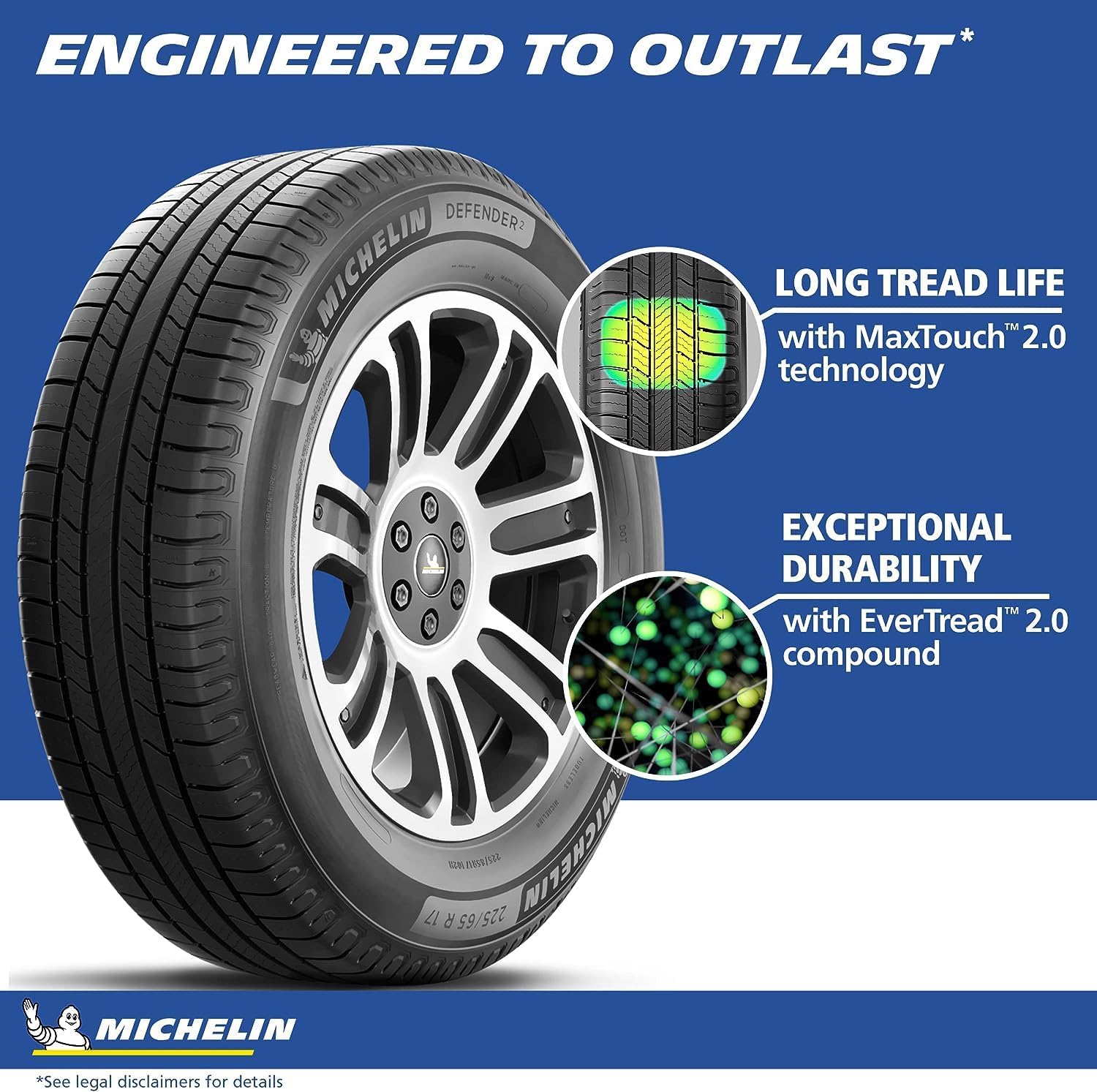
Michelin Defender 2
The Michelin Defender 2 is the benchmark that every other all-season touring tire is measured against. It uses Michelin's MaxTouch Construction to distribute braking, accelerating, and cornering forces evenly across the tread, extending tire life while maintaining excellent grip. The IntelliSipe technology provides biting edges in wet and light snow conditions. With an 80,000-mile warranty and Michelin's 60-day satisfaction guarantee, it is the safest choice for drivers who want the best and plan to keep their car for years.
Pros
- Industry-leading 80,000-mile treadwear warranty
- Exceptional wet braking performance (A-rated traction)
- 60-day satisfaction guarantee lets you return them if not happy
- Very low road noise even at highway speeds
Cons
- Premium price point at $180 per tire
- Slightly firmer ride than the Turanza QuietTrack
- Limited size availability for some older vehicles

Continental TrueContact Tour
Continental's EcoPlus Technology uses a unique tread compound with +Silane additives that maintain flexibility across temperature ranges, delivering outstanding wet grip without sacrificing tread life. The Comfort Ride Technology alignment-verified tread design reduces irregular wear and vibrations. In independent wet braking tests, the TrueContact Tour consistently stops 5-10 feet shorter than competing premium tires. It matches the Michelin Defender 2's 80,000-mile warranty at a slightly lower price point.
Pros
- Best-in-class wet braking distance among all tires tested
- 80,000-mile treadwear warranty matches Michelin
- Slightly cheaper than Michelin at comparable performance
- EcoPlus compound reduces rolling resistance for better fuel economy
Cons
- Road noise slightly higher than the Bridgestone Turanza at highway speeds
- Not as widely available at Costco or Walmart
- Ride comfort is firm, which some drivers notice on rough roads
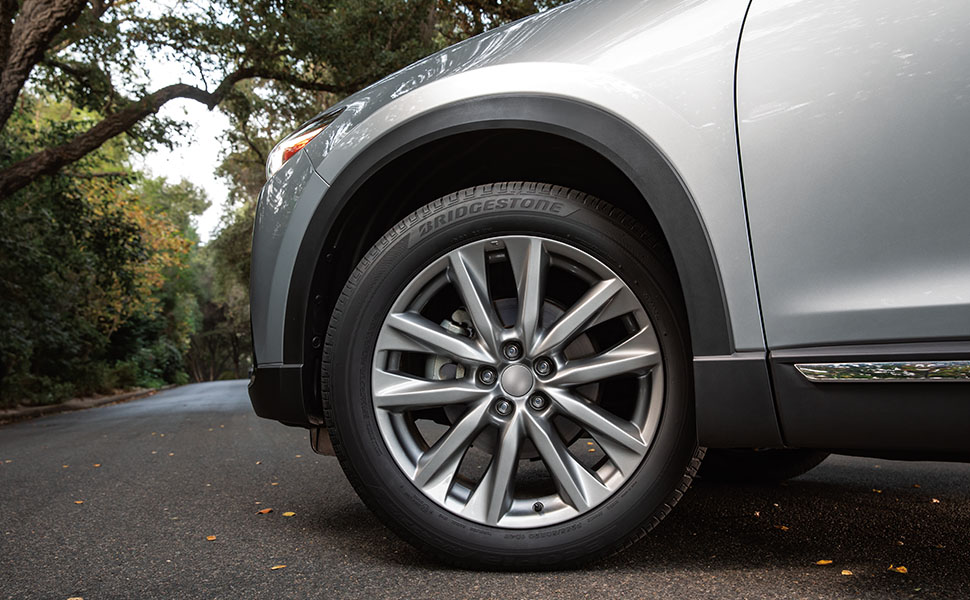
Bridgestone Turanza QuietTrack
If road noise is your biggest complaint about your current tires, the Turanza QuietTrack is the answer. Bridgestone's QuietTrack Technology uses a unique dual-layer tread design: the outer layer provides grip while the inner layer absorbs vibrations before they reach the cabin. The result is a noticeably quieter ride that luxury car owners and long-distance commuters appreciate immediately. It carries an 80,000-mile warranty and Bridgestone's 90-day buy-and-try guarantee.
Pros
- Quietest all-season touring tire on the market by measurable margin
- Excellent ride comfort with vibration-absorbing tread technology
- 80,000-mile warranty with 90-day satisfaction guarantee
- Strong wet and light snow performance despite comfort focus
Cons
- Most expensive option in our lineup at $190 per tire
- Slightly lower treadwear rating (740) than Michelin and Continental
- Softer compound means marginally less responsive cornering feel

Cooper Endeavor Plus
Since Goodyear acquired Cooper in 2021, the Endeavor line has benefited from Goodyear's compound technology while maintaining Cooper's value pricing. The Endeavor Plus uses a silica-enhanced compound that provides wet traction rivaling some premium tires. A 65,000-mile warranty is competitive for the price, and real-world reports from Tire Rack reviewers consistently show tread lasting well beyond the warranty. This is the tire we recommend most often for practical buyers who want excellent performance without premium pricing.
Pros
- Best price-to-performance ratio in the entire comparison
- Wet traction rated A, matching premium tires
- Benefits from Goodyear parent company R&D and quality control
- 65,000-mile warranty exceeds expectations for the price
Cons
- No satisfaction guarantee like Michelin and Bridgestone offer
- Road noise is noticeable at highway speeds compared to premium options
- Slightly less refined ride quality on rough surfaces

General AltiMAX RT45
The General AltiMAX RT45 carries a 75,000-mile warranty -- longer than most premium tires and the best warranty in the mid-range tier. As a Continental sub-brand, General benefits from Continental's tread design expertise. The RT45 uses Visual Alignment Indicators (VAI) built into the tread that help you spot alignment issues before they destroy your tires. The high treadwear rating of 820 backs up the generous warranty with genuine durability.
Pros
- 75,000-mile warranty is the longest in the mid-range tier
- Visual alignment indicators help catch problems early
- Treadwear rating of 820 is among the highest in any tier
- Continental-derived tread technology at a fraction of the price
Cons
- Wet traction is good but not quite as sharp as the Cooper Endeavor Plus
- Ride comfort is average and can feel stiff on bumpy roads
- Brand perception is lower despite Continental ownership

Hankook Kinergy PT
Hankook is an OEM tire supplier for BMW, Mercedes-Benz, Hyundai, Kia, and others -- meaning their factory quality standards meet the same bar as Michelin and Continental. The Kinergy PT brings that OEM quality to the aftermarket at mid-range pricing. It uses a low rolling resistance compound that improves fuel economy by 1-3% compared to standard tires. A 70,000-mile warranty and quiet ride make it feel like a premium tire at a mid-range price.
Pros
- OEM supplier for luxury brands ensures factory-level quality standards
- Very quiet ride rivaling premium options
- 70,000-mile warranty is strong for the price point
- Low rolling resistance compound measurably improves fuel economy
Cons
- Wet traction rated B, which is adequate but behind A-rated competitors
- Less widely stocked at physical retailers than Cooper or General
- Tread compound can feel less grippy in temperatures below 40 degrees F
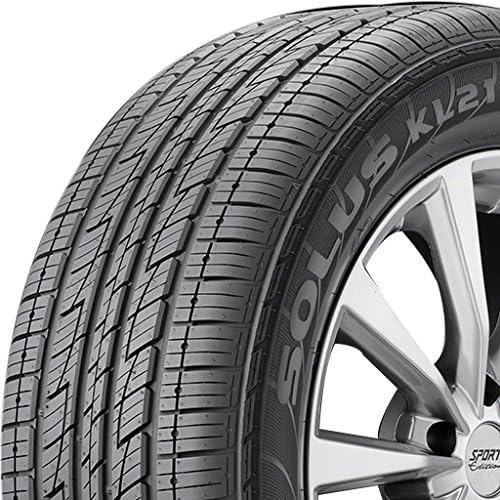
Kumho Solus TA31
The Kumho Solus TA31 is the best tire in the budget tier because it punches well above its price in ride comfort and tread life. Kumho's ESCOT carcass design optimizes contact pressure distribution, helping the tire wear more evenly than competing budget options. A 50,000-mile warranty is generous for the budget tier and backed by a treadwear rating of 640 that suggests it can deliver on that promise. For drivers who need four new tires for under $350 including installation, this is the one to buy.
Pros
- 50,000-mile warranty is the longest in the budget tier
- Noticeably more comfortable ride than competing budget tires
- Even tread wear pattern extends real-world tire life
- Widely available at Walmart, Discount Tire, and online retailers
Cons
- Wet traction rated B, noticeably less confident in heavy rain
- Highway noise becomes apparent above 65 mph
- No manufacturer satisfaction guarantee or trial period

Falken Sincera SN201 A/S
Falken is owned by Sumitomo Rubber, the same parent company as Dunlop, and the Sincera SN201 benefits from shared compound research. What sets it apart in the budget tier is its A-rated wet traction -- matching premium tires at a fraction of the cost. The Dynamic Range Technology uses a multi-wave sipe design that creates more biting edges for wet grip without compromising dry handling. If you need budget pricing but live in a rainy area, this is the smartest compromise.
Pros
- A-rated wet traction is exceptional for a budget tire
- Backed by Sumitomo/Dunlop parent company engineering
- Multi-wave sipe design provides genuine wet weather confidence
- Good handling feel that does not feel sloppy or vague
Cons
- Shorter 45,000-mile warranty than the Kumho Solus TA31
- Lower treadwear rating of 580 means faster wear in dry conditions
- Road noise is noticeable and increases as the tire wears

Nexen N'Priz AH5
The Nexen N'Priz AH5 is the least expensive tire in our comparison, and it earns its spot by being a competent, no-surprises tire at a rock-bottom price. Nexen is a Korean manufacturer with growing OEM relationships, and the N'Priz uses a simple but effective symmetric tread design that provides predictable handling. A 40,000-mile warranty is honest for the price point. This is the rational choice when you need four tires for under $300 installed and driving conditions are not demanding.
Pros
- Lowest price in our comparison at $55 per tire
- Predictable, no-surprises handling characteristics
- 40,000-mile warranty is honest and achievable
- Available in a very wide range of sizes for older vehicles
Cons
- Wet traction rated B with noticeably longer stopping distances in rain
- Road noise is the highest of any tire in this comparison
- Tread life is the shortest and tires will need replacing sooner
Frequently Asked Questions
How long do tires last in miles?
Premium tires (Michelin, Continental): 50,000-70,000 miles. Mid-range (General, Cooper, Falken): 40,000-60,000 miles. Budget (Westlake, Hankook Kinergy): 30,000-45,000 miles. These ranges assume normal driving, proper inflation, and regular rotation. Aggressive driving, underinflation, and skipped rotations can cut lifespan by 20-30%.
Are expensive tires worth the money?
For wet weather safety and noise, yes. Premium tires stop 10-15 feet shorter in rain at highway speeds compared to budget tires -- a difference that can prevent an accident. They also run significantly quieter. For dry pavement grip and basic commuting, the difference between premium and mid-range is much smaller. Mid-range tires offer the best overall value.
Can I mix tire brands on my car?
You can, but keep the same brand and model on each axle (both front tires matching, both rear tires matching). Never mix different tread patterns or tire types on the same axle -- this creates uneven handling that is dangerous in wet conditions. The safest approach is four matching tires, but matching axle pairs is acceptable.
Are Costco tires cheaper than Tire Rack?
Costco is typically cheaper for the total cost (tire + installation + lifetime balancing and rotation included in the price). Tire Rack often has lower tire-only prices but installation through a partner shop adds $15-25 per tire. For the complete package, Costco usually wins by $40-80 per set of four, plus the convenience of included services.
What does the treadwear number mean?
The UTQG treadwear rating is a government-mandated number that indicates relative tire longevity. A tire rated 400 should last twice as long as one rated 200 under the same conditions. Higher is not always better -- high treadwear tires sacrifice wet grip. A 500-700 rating is the sweet spot for most drivers, balancing longevity with safety performance.
Should I buy 2 or 4 tires at a time?
Four is ideal for even wear and handling. If budget requires buying two, put the new tires on the rear axle regardless of which wheels drive (this improves stability in wet conditions by preventing rear-end slides). Never put new tires on the front with worn tires on the rear -- this is counterintuitive but the safest configuration.
Do I need an alignment with new tires?
Not always, but it is strongly recommended. Misalignment causes uneven tire wear that can reduce new tire life by 25-50%. An alignment costs $80-120 and ensures your new tires wear evenly. If you notice uneven wear on your old tires (one edge more worn than the other), an alignment is mandatory with new tires or you will destroy them prematurely.
Not sure where to start?
Follow the path that matches where you are in your decision. Each guide builds on the last.
You can start at any stage. Each article stands on its own, but reading in order gives you the full picture. Want to know when prices drop? See our Best Time to Buy Tires pricing calendar.
Best Time to Buy Tires
Never Miss the Best Price
Get buying guides and deal alerts timed to when prices actually drop lowest.
Get Monthly Deal Alerts