Why Mulch Hits Its Low in April
Mulch has the most predictable sale calendar of anything in your yard. Lowe's SpringFest typically runs from late March through the third week of April with a headline 5-bags-for-$10 deal on Sta-Green 2-cubic-foot mulch -- effectively $1 per cubic foot, the lowest unit price of the year. Home Depot Spring Black Friday lands in the same window with a matching 5-for-$10 deal on Earthgro mulch. For roughly two weeks, both major retailers run the same promotion at the same time.
If you need 30 bags for your beds, those 30 bags cost $60 in this window. The same 30 bags cost $90-$120 in May once the promotion ends. Memorial Day brings a smaller second window (Lowe's typically repeats $2/bag; Home Depot drops to a 4-for-$10 offer). September and October bring an overlooked third window when garden centers mark down remaining inventory to clear floor space -- selection thins, but per-bag pricing can drop below the spring promotion if you find a store with overstock.
Target price: Never pay more than $1.50 per cubic foot bagged. For projects over 2-3 cubic yards, bulk delivered ($25-$50 per cubic yard) wins regardless of season.
Why Grass Seed Has Two Sweet Spots
Grass seed is the only category here where the buying calendar bends to biology, not retail cycles. Seed wants to be planted at specific temperatures, and you should buy right before you plant -- not during winter when bags can sit on a shelf and lose viability. Retailers know this and run their deepest discounts when planting conditions are right.
If your lawn is Kentucky bluegrass, fescue, perennial ryegrass, or any common northern mix, you have cool-season grass. The optimal planting window is late August through early October. Labor Day weekend brings 30-50% off Scotts, Pennington, and most major brands at Home Depot, Lowe's, Tractor Supply, Ace Hardware, and direct-to-consumer brands like Sunday and Yard Mastery. Buy what you need for fall overseeding, plant immediately.
If you live in the South or Southwest with Bermuda, Zoysia, St. Augustine, or Centipede, you have warm-season grass. The planting window is May through June. Home Depot Spring Black Friday in early-to-mid April is the matched promotional window with up to 50% off -- enough that buying now and planting in five weeks beats waiting until May, when the same products return to full retail.
Properly stored seed (cool, dry, sealed) keeps for 2-3 years with only minor germination loss. Buying a year ahead during the right sale is fine if you have a dry shed or basement. Do not leave seed in a hot garage all summer -- heat and humidity destroy germination rates fast.
Why Fertilizer Follows the Application Schedule
Fertilizer is different from mulch and seed because there is no single sale season -- there are four application windows, each requiring a different product. The smart move is to buy each step right before you apply it, taking advantage of whatever promotion is running at that moment. The exception is the late-fall winterizer, which gets cleared at the deepest discount of any fertilizer all year.
Major brands like Scotts organize their line around a four-step annual program. Step 1 (pre-emergent) stops crabgrass before it germinates -- apply when soil temps reach the mid-50s, typically late February through April. Step 2 (weed and feed) hits in early-to-mid May around Mother's Day, 4-6 weeks after Step 1. Step 3 (summer feed) goes down mid-June through July. Step 4 (fall winterizer) applies anywhere from August through November and is the most important application of the year for spring lawn vigor.
Here is the move most homeowners miss: Step 4 winterizer is fully effective if applied as late as November in most regions, but retailers start clearing it from shelves in mid-October to make room for snow blowers and ice melt. By late October and November, expect 25-40% markdowns -- often deepest on the largest bags. Apply what you need this fall, and stockpile a second bag for next year. Sealed bags of granular fertilizer keep for years in a dry shed without losing potency.
The one fertilizer step where being late costs more than the price tag is Step 1. Pre-emergent only works if applied before crabgrass germinates. Buy this one in late February even if no sale is running -- the cost of skipping it is worse than paying retail.
Why Garden Tools Drop Most in October and January
Garden tools follow the same end-of-season clearance logic as patio furniture and grills. Retailers carry seasonal inventory that gets expensive to store through winter -- so they discount aggressively the moment fall lawn care wraps up.
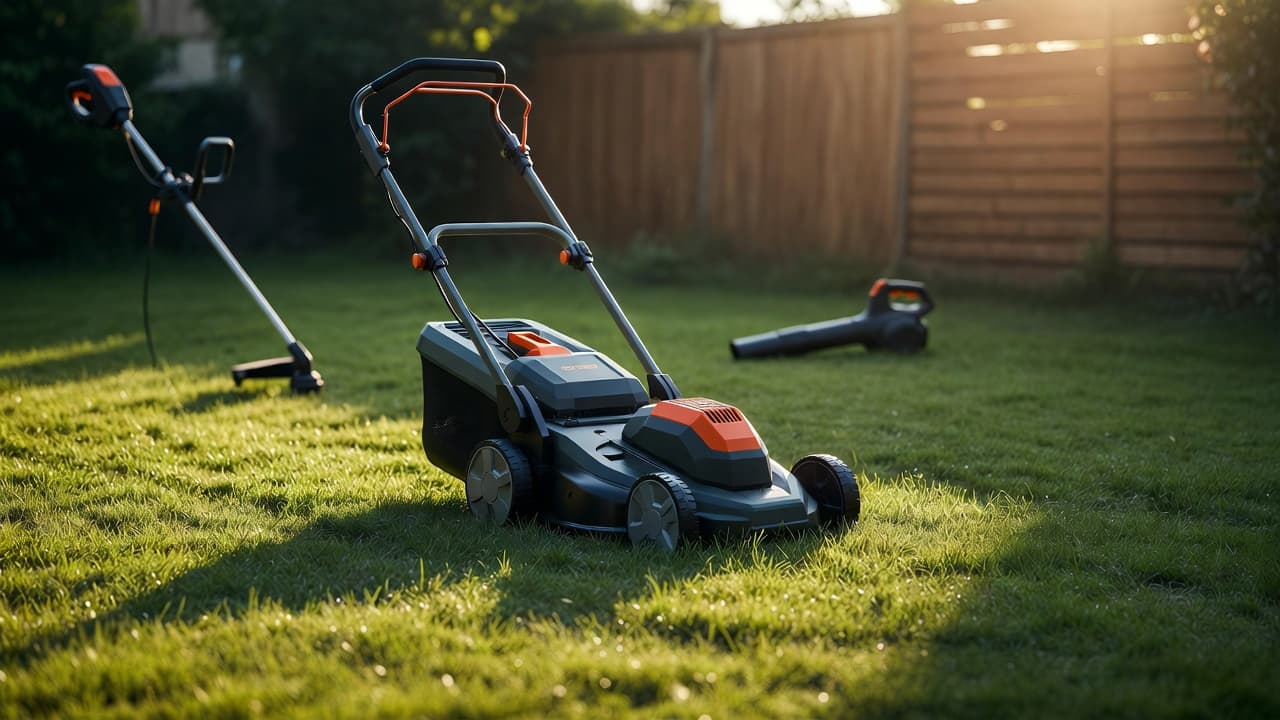
October is the deepest discount window for outdoor power equipment. String trimmers, leaf blowers, hedge trimmers, pole saws, and cordless lawn tools all hit 30-40% off. Home Depot and Lowe's both run fall lawn care clearance events that overlap with the end of the mowing season. Demand collapses by mid-October as homeowners stop shopping for outdoor tools, and retailers respond with aggressive markdowns rather than store inventory through winter.
Black Friday brings another wave of discounts on cordless outdoor tool combo kits. Manufacturers push platform-loyalty bundles -- mower plus trimmer plus blower with shared batteries -- at the lowest combined prices of the year. This is the right window if you are starting from scratch and need to commit to a battery platform like EGO or Greenworks for your entire outdoor lineup.
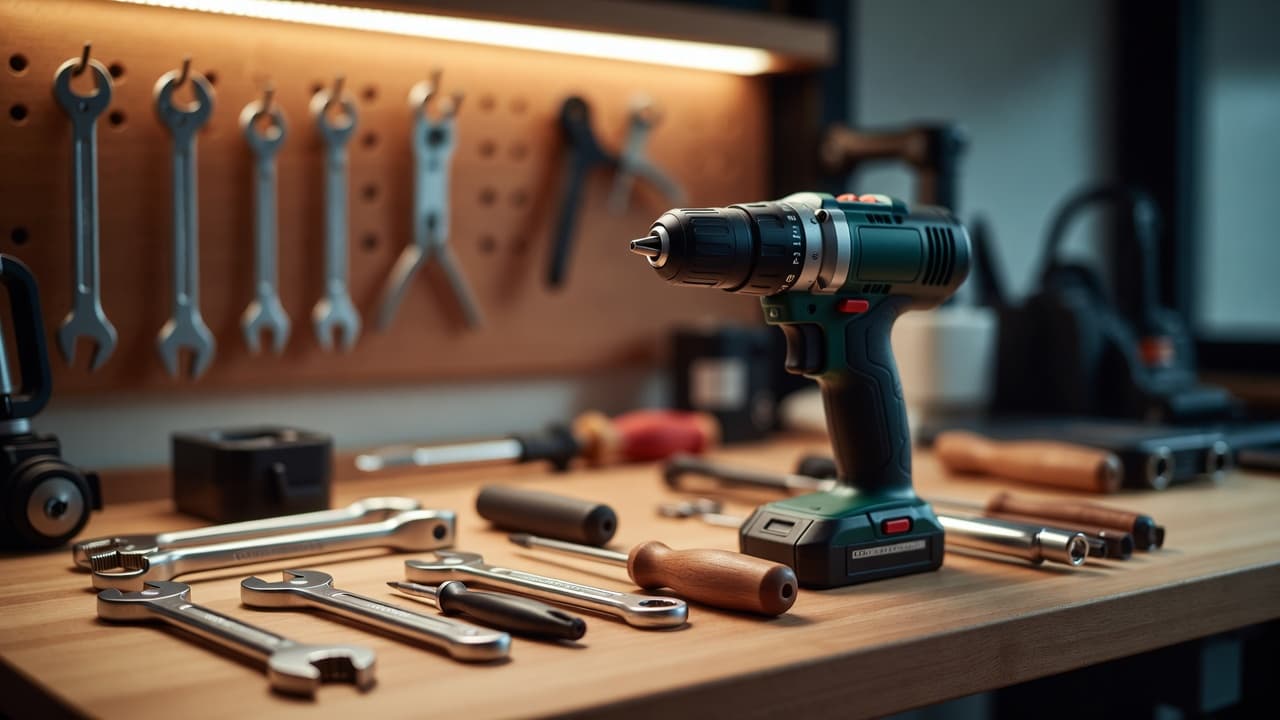
January is the deepest window for hand tools, pruners, shears, shovels, rakes, and gift-set tool collections. Retailers cleared the holiday gift aisle and have boxed-up sets that did not move during December. Expect 40-60% off bundled garden tool kits. This is also the right time to upgrade quality -- a pair of Felco or ARS pruners costs 3-4x more at retail but lasts decades, and in January the upgrade is nearly painless.