The Men's Sneaker Shortlist: 8 Picks for Every Use Case
Eight men's sneakers picked across daily miles, stability, trails, gym, and lifestyle.
Note: This guide covers men's sneakers. See our Women's Sneaker Edit for women's picks.
The best sneaker for you depends entirely on what you'll do with it. There's no universally "best" shoe -- just the best shoe for your use case, foot, and typical workout. This guide picks 8 sneakers covering the core scenarios, from daily running to heavy gym work to all-day walking.
Every pick below comes from cross-referencing expert reviews (Runner's World, Wirecutter, RunRepeat, Doctors of Running), real long-term user feedback, and our own shortlist of what each category actually needs. We leave prices out of the copy deliberately -- retail fluctuates weekly, and the "Check Current Price" button on each product card will give you the real number.
Still figuring out whether you need a runner, trainer, or lifestyle shoe? Start with our category guide. Want to understand long-term cost? See the real cost of running shoes.
How we picked
Every shoe here earned its spot by doing one thing better than the alternatives in its category -- not by being "generally good." We weighed:
- Expert consensus. If Runner's World, RunRepeat, and Doctors of Running all land on the same shoe, it's rarely an accident.
- Long-term user feedback. Forum threads, Reddit running subs, and review aggregates catch problems that show up at month 4, not month 1.
- Fit range. A shoe that only fits perfectly-average feet isn't useful. Width options, toe box volume, and heel lock matter.
- Category fit. The best max-cushion shoe is not the best race-day shoe. We pick the right tool for each job.
Quick Match: Your Use Case → Our Pick
| If you... | Our pick | Why |
|---|---|---|
| Run 15+ miles/week, neutral gait | Brooks Ghost 17 | Reliable daily trainer, soft but not mushy |
| Overpronate or need arch support | Brooks Adrenaline GTS 25 | Guided stability without the brick-like feel |
| Want max cushion for long days | Hoka Clifton 10 | Rocker geometry, plush ride, walks well too |
| Want one fast, versatile daily trainer | ASICS Novablast 5 | Bouncy FF BLAST MAX, handles tempo and long runs |
| Run trails or muddy terrain | Hoka Speedgoat 6 | Vibram Megagrip + cushion for technical ground |
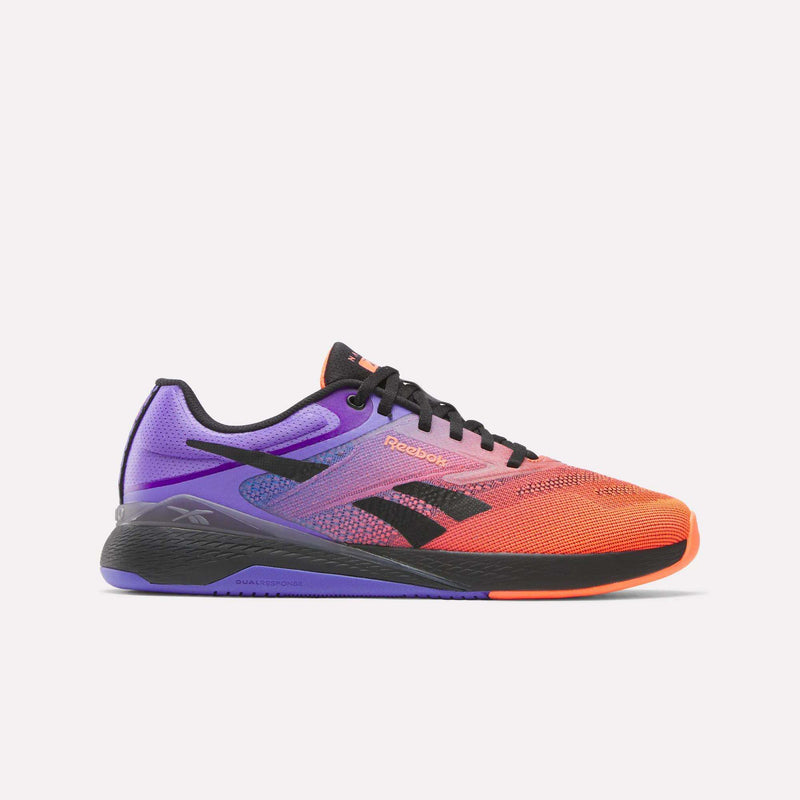
| Lift, do HIIT, or CrossFit | Reebok Nano X5 | Dual-density midsole, stable for lifting, flex for conditioning |
| Want an everyday lifestyle sneaker | New Balance 530 | Running DNA, retro styling, all-day comfort |
| Want premium walk-all-day comfort | On Cloud 5 | CloudTec pods, dressier look, travel-friendly |
The shortlist, explained
The product cards below have the full breakdown -- ratings, pros, cons, best-for -- for each shoe. A quick sentence on each so you know why it made the cut.
For daily miles: Brooks Ghost 17
The Ghost has been Brooks' workhorse neutral trainer for more than a decade, and the 17 sharpens what already worked. DNA LOFT v3 nitrogen-infused midsole gives you soft without sinking, and the airmesh upper finally addresses the hot-foot complaints from earlier versions. If you want a shoe you don't have to think about, this is the answer.
For stability: Brooks Adrenaline GTS 25
Old-school stability shoes felt like running in ski boots. The Adrenaline GTS uses GuideRails -- soft barriers along the heel that only engage when your foot rolls past normal -- instead of a medial post. The 25 adds cushion over the 24 and drops the heel from 12 mm to 10 mm for a more balanced feel. If you've been told you overpronate, this is the modern answer.
For max cushion: Hoka Clifton 10
The Clifton is Hoka's most popular shoe for a reason: it delivers the brand's signature soft, rockered ride in a package that's actually light and still nimble. The 10 increases the heel drop to 8 mm and cleans up the forefoot transition. Also an excellent choice for all-day walking, standing at work, or travel.
For speed and versatility: ASICS Novablast 5
The Novablast line is the "do-everything" daily trainer if there is one. FF BLAST MAX foam gives it bounce that rivals plated super-shoes at slow paces, but the shoe is still durable enough for easy miles. At 9 ounces, it doesn't slow you down on tempo runs. If you run one easy, one long, and one tempo per week, this one shoe covers the rotation.
For trails: Hoka Speedgoat 6
Most trail runners end up with the Speedgoat regardless of brand preference. Vibram Megagrip outsole with 5 mm lugs handles wet rock and loose dirt equally well, and the cushioned midsole lets you run aggressive technical terrain without wrecking your feet. The 6 widens the forefoot over previous versions, which was the one real gripe.
For cross-training: Reebok Nano X5
Reebok has been making cross-training shoes for 15 years, and the Nano X5 is the most balanced one yet. Dual-response EVA gives you plusher foam in the forefoot for running and jumping, firmer foam in the heel for lifting stability, and the Flexweave upper holds up to rope climbs. The Metcon is slightly better for pure CrossFit, but for mixed gym work the Nano is the more versatile pick.
For everyday lifestyle: New Balance 530
The 530 started as a running shoe in the early 2000s and got a second life as a lifestyle staple. The ABZORB midsole still has real cushioning (unlike most fashion sneakers), the retro silhouette works with jeans, shorts, or athleisure, and the price point is reachable. It's the rare lifestyle shoe that still feels like a shoe after eight hours on your feet.
For premium lifestyle: On Cloud 5
The On Cloud sits at the premium end of lifestyle and rewards it with genuinely all-day comfort thanks to the CloudTec pods. It's the one we recommend for airport days, conference walking, and anyone who wants something more polished than a chunky retro runner. The cutouts in the midsole do collect pebbles on trails, so keep this one on pavement.
The Real Cost of Running Shoes
Premium shoes cost more up front, but do they last longer? The math on cost-per-mile and why rotation extends lifespan.
See the math →What to check before you buy
Measure both feet
Your feet are almost certainly different sizes. Always size to the larger foot and leave a thumb's width of space ahead of your longest toe. Running-specific shoes fit snugger than casual shoes -- size half a size up from your street shoe if the manufacturer recommends it.
Get your width right
Most people buy standard (D) width by default, but up to 40% of the population needs something wider or narrower. New Balance, Brooks, Hoka, and Saucony all offer multiple widths on their top models. Do not ignore this step -- toe pinch, bunions, and blisters almost always trace back to the wrong width.
Consider a gait analysis
Most specialty running stores will film you on a treadmill and check your stride for free, no purchase required. It takes 10 minutes and tells you whether you overpronate, supinate, or run neutral -- which matters enormously for picking a stability vs neutral shoe.
Try them on later in the day
Feet swell slightly through the day. Morning fit is tighter than afternoon fit. If you shop in the morning and buy a shoe that fits, you'll find it too snug on an afternoon run.
The rotation strategy
Buying two pairs of running shoes and rotating them sounds excessive until you do the math. Foam needs 24 to 48 hours to decompress fully between runs. Rotating two shoes means each pair gets more recovery time, which measurably extends total lifespan -- often by 30 to 50%. Over the life of the shoes, two pairs rotated last about as long as three pairs worn sequentially. If you run four or more days a week, rotation pays for itself.
Where to go next
If you're still deciding between a running shoe, trainer, or lifestyle sneaker, back up and read our category comparison. If you want to understand why premium shoes aren't always a better deal, see the real cost of running shoes. And before you hit checkout, run through our sneaker buying mistakes guide -- most of these are avoidable with 10 minutes of prep.
What We Recommend
Based on our research, these are our top picks. Prices change frequently -- click through to see the latest.
- 1.Brooks Ghost 17 -- Neutral runners doing 15+ miles per week who want a dependable daily trainer.
- 2.Brooks Adrenaline GTS 25 -- Runners who overpronate or have flat arches and need guided support without a brick-feeling shoe.
- 3.Hoka Clifton 10 -- Runners who prioritize comfort over speed, especially on long runs or recovery days, and anyone on their feet all day.
- 4.ASICS Novablast 5 -- Runners who want one shoe to cover easy, long, and tempo runs without swapping between specialized models.
- 5.Hoka Speedgoat 6 -- Trail runners who want one shoe to handle anything from fire roads to aggressive alpine routes.
- 6.Reebok Nano X5 -- CrossFit athletes, HIIT class regulars, and anyone whose gym routine mixes lifting, jumping, and short runs.
- 7.New Balance 530 -- Anyone who wants a comfortable, versatile lifestyle sneaker for daily wear that holds up to real walking.
- 8.On Cloud 5 -- Frequent travelers, airport walkers, and anyone who wants a polished, comfortable lifestyle sneaker for long days on their feet.
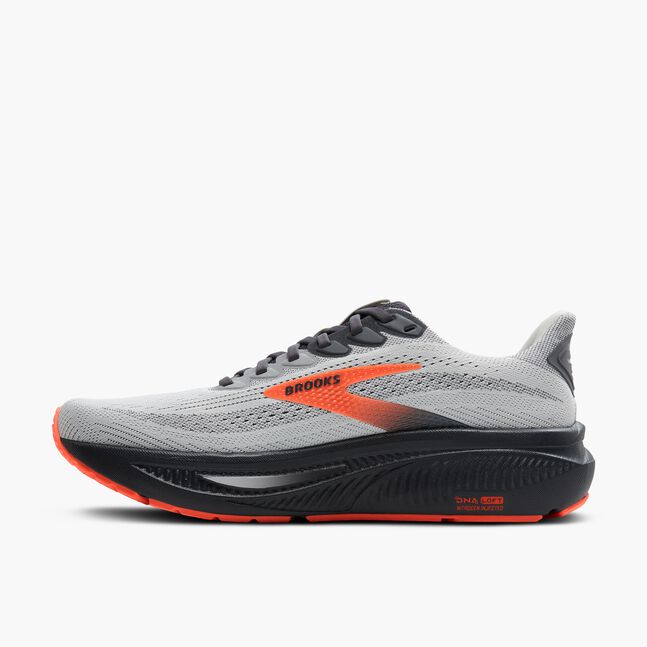
Brooks Ghost 17
The Ghost is Brooks' most iconic daily trainer, and the 17 sharpens what has worked for more than a decade. Nitrogen-infused DNA LOFT v3 foam gives it soft cushioning without feeling mushy, and the redesigned airmesh upper finally addresses the warm-foot complaints from earlier versions. A shoe you don't have to think about -- and the easiest first pair to recommend to any neutral runner.
Pros
- Reliable, versatile neutral cushioning
- Redesigned upper is cooler and more comfortable
- Available in multiple widths
- Well-balanced for easy, long, and recovery runs
- Strong long-term durability
Cons
- Not the most exciting ride
- Somewhat heavier than premium speed trainers
- Too neutral for runners who need stability
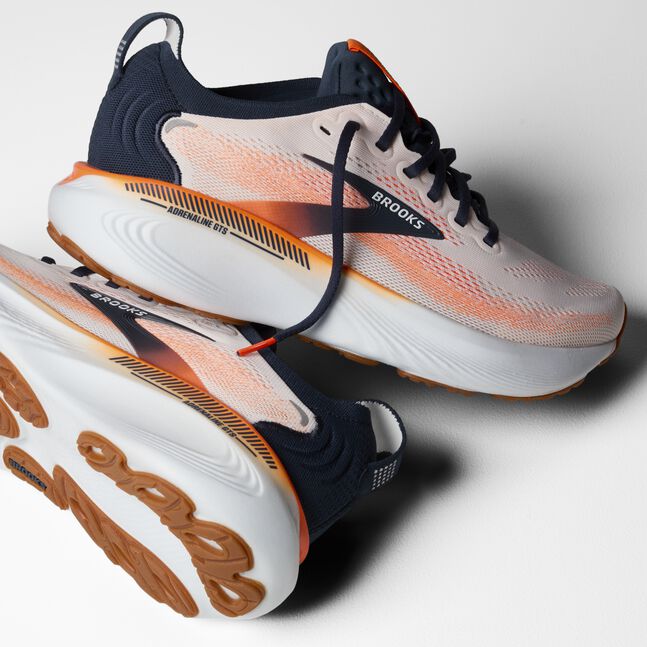
Brooks Adrenaline GTS 25
Old-school stability shoes felt like running in ski boots. The Adrenaline GTS uses GuideRails -- soft barriers along the heel that only engage when your foot rolls past neutral -- instead of a rigid medial post. The GTS 25 adds cushion over the 24 and drops the heel from 12 mm to 10 mm, creating a more balanced feel for overpronators without the brick-like stiffness of older stability models.
Pros
- GuideRails stability without the rigid medial post
- More cushioning than the previous version
- Available in wide and extra-wide
- Feels more balanced with the new 10 mm drop
- Proven reliability over many iterations
Cons
- Slightly heavier than neutral trainers
- Still firmer than max-cushion shoes
- Overkill for runners with neutral gaits
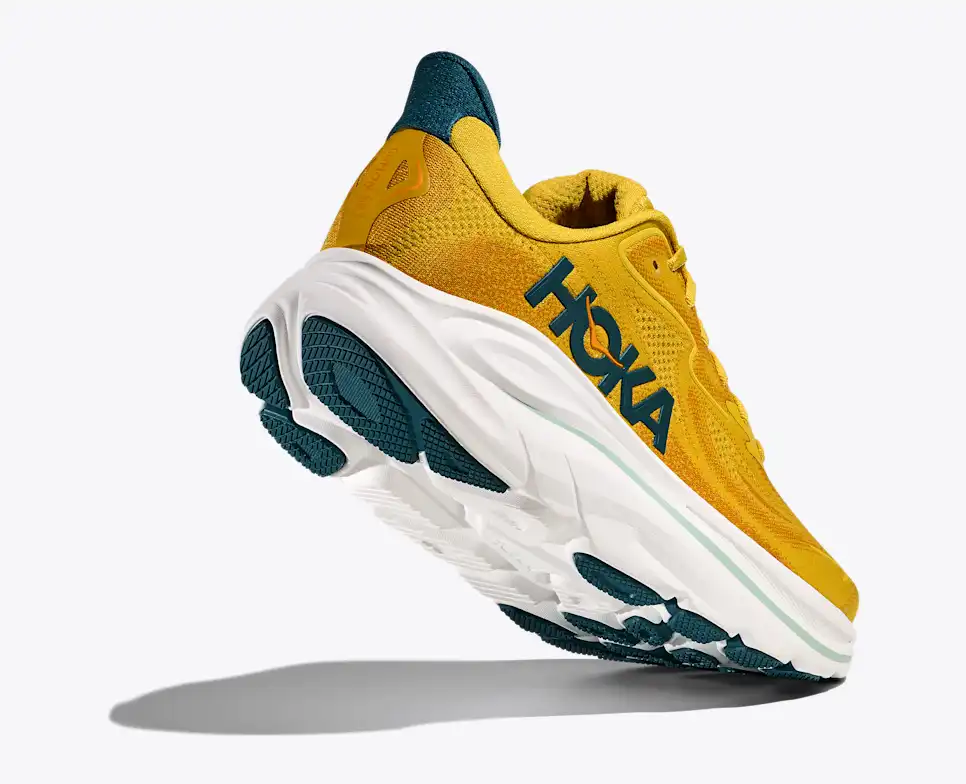
Hoka Clifton 10
The Clifton is Hoka's most popular shoe for a reason: it delivers the brand's signature soft, rockered ride in a package that's actually light and nimble. The Clifton 10 bumps the heel drop to 8 mm, refines the forefoot transition, and increases toebox volume over previous versions. Also exceptional for all-day walking, standing at work, or travel -- many buyers use it as much off the run as on it.
Pros
- Very soft, smooth rockered ride
- Excellent for walking and all-day wear
- Lightweight despite the stack height
- Available in multiple widths
- Forgiving on tired joints
Cons
- Not a fast shoe for tempo or racing
- Max stack can feel unstable for some runners
- Upper runs slightly narrow

ASICS Novablast 5
The Novablast line is the closest thing to a true do-everything daily trainer on the market. FF BLAST MAX foam gives it a bouncy, energetic ride that rivals carbon-plated racers at slow paces, but the shoe is durable enough for everyday miles. At 9 ounces, it doesn't slow you down on tempo runs. If you run one easy, one long, and one tempo per week, this one shoe covers the whole rotation.
Pros
- Remarkably versatile across paces
- Light and responsive
- Bouncy FF BLAST MAX foam
- Carbon footprint 17% lower than industry average
- Handles tempo, long, and easy runs equally well
Cons
- Upper can feel snug for wider feet
- Not as stable as dedicated long-run shoes
- Styling is polarizing
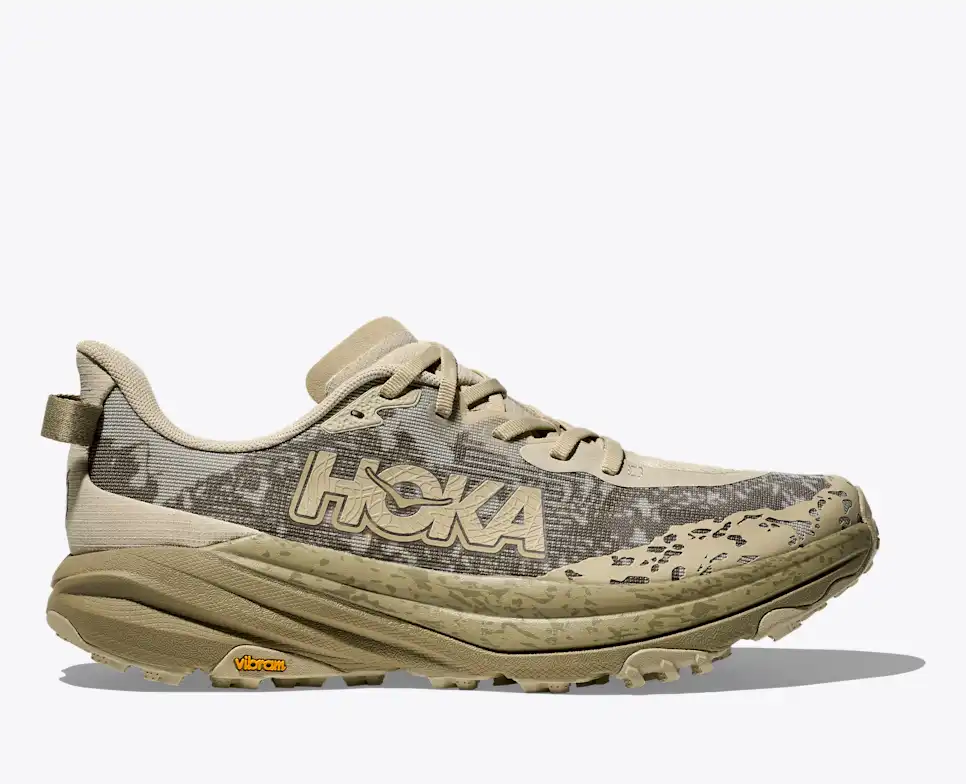
Hoka Speedgoat 6
Most trail runners end up with the Speedgoat regardless of brand preference. Vibram Megagrip outsole with 5 mm lugs handles wet rock and loose dirt equally well, and the cushioned midsole lets you run aggressive technical terrain without wrecking your feet. The 6 widens the forefoot over previous versions, which was the one real gripe, and adds an Active Foot Frame for better stability on uneven ground.
Pros
- Excellent grip on wet rock, mud, and loose dirt
- Max cushion for technical descents
- Wider forefoot than previous versions
- Vibram Megagrip outsole
- Works for everything from smooth dirt to alpine terrain
Cons
- Overkill for buffed-out trails
- Cushioning can feel unstable on very technical terrain
- Heavier than minimalist trail shoes
Reebok Nano X5
Reebok has been making cross-training shoes for 15 years, and the Nano X5 is the most balanced one yet. Dual-density EVA gives you plusher foam in the forefoot for running and jumping, firmer foam in the heel for lifting stability, and the Flexweave upper holds up to rope climbs and burpees. More versatile than the Metcon for mixed gym work, though the Metcon edges it for pure CrossFit.
Pros
- Stable for heavy lifting thanks to firm heel
- Flexible forefoot for dynamic movement
- Durable Flexweave upper
- Works for CrossFit, HIIT, and strength training
- Better cushioning than previous Nano generations
Cons
- Not comfortable for runs longer than a mile
- Heavier than running shoes
- Narrow fit for wide feet

New Balance 530
The 530 started as a running shoe in the early 2000s and got a second life as a lifestyle staple. The ABZORB midsole still has real cushioning (unlike most fashion sneakers), the retro silhouette works with jeans, shorts, or athleisure, and the price point is reachable for a quality sneaker. It's the rare lifestyle shoe that still feels like a real shoe after eight hours on your feet.
Pros
- Genuine cushioning -- not just styling
- Versatile silhouette works with most outfits
- Reasonable price for the quality
- Multiple colorways
- Comfortable for all-day walking
Cons
- Not a performance running shoe
- Can feel bulky with slim pants
- Casual styling isn't office-appropriate

On Cloud 5
The On Cloud sits at the premium end of lifestyle sneakers and rewards it with genuinely all-day comfort thanks to the CloudTec pods in the midsole. It's the one we recommend for airport days, conference walking, travel, and anyone who wants something more polished than a chunky retro runner. The cutouts in the midsole can collect pebbles on trails, so keep this one on pavement.
Pros
- Exceptional all-day walking comfort
- Dressier silhouette than most lifestyle sneakers
- Light and breathable
- Excellent for travel
- Many colorways including minimal all-white
Cons
- Pebbles can get stuck in the CloudTec cutouts
- Higher price than typical lifestyle sneakers
- Narrower fit than most
Frequently Asked Questions
How often should I replace my running shoes?
The industry standard is 300 to 500 miles, which usually works out to 4 to 6 months for a regular runner. Signs you're past the expiration date: visible midsole creasing, outsole rubber worn smooth in the landing zones, or new aches in your shins, knees, or feet after a run that feels normal otherwise. Rotating two pairs extends total mileage significantly.
Should I buy running shoes online or in a store?
For your first pair in a given category, try to buy in a specialty running store. You get a gait analysis, width options, and the ability to actually test the shoe on a treadmill before you pay. Once you know the exact shoe, model year, and width that fits you, reordering online is fine. Do not buy a new model blind online -- manufacturers change last shapes between versions more than you'd expect.
Are expensive running shoes actually better?
Sometimes, but not in the way you'd think. Premium shoes have better foams (PEBA blends, carbon plates) that give more energy return for race performance. They rarely last longer than a mid-range shoe of the same brand -- foam technology pushes responsiveness, not durability. For daily training, a solid mid-tier shoe from Brooks, Asics, Saucony, or Hoka delivers 90% of the experience at 60% of the cost.
What's the difference between a daily trainer and a race shoe?
Daily trainers are built for durability and comfort over high mileage -- thicker rubber outsoles, denser foam, more cushion for recovery. Race shoes are built for one race day -- featherweight, carbon-plated, ultra-responsive PEBA foams that deliver more energy return but compress quickly. You should never race in a daily trainer (you'll be slower) and you should never do everyday training in a race shoe (you'll burn through the foam in a few hundred miles).
Do I need different shoes for the treadmill?
No. Any road running shoe works on a treadmill. The belt is slightly softer than pavement, which is easier on your legs, but the shoe's job is the same. Do not wear trail shoes on a treadmill -- the aggressive lugs damage the belt over time.
How important is a gait analysis before buying?
More important than most runners think. Roughly 60% of runners have some degree of overpronation, and wearing a neutral shoe when you need stability is a common cause of knee pain, plantar fasciitis, and shin splints. Specialty running stores do free gait analysis in 10 minutes. It's the single highest-ROI step in picking running shoes.
Best Time to Buy Sneakers
Continue Reading
Running, Training, or Lifestyle: Which Men's Sneaker Do You Need?
The three men's sneaker categories explained -- so you stop wearing the wrong shoe for the job.
9 min readSeven Men's Sneaker Mistakes That Cost You Comfort and Money
The quiet buying errors that only show up months later in worn-out foam, injured knees, or shoes that never fit.
8 min readWhat Men's Running Shoes Cost Per Mile (and Why Rotation Pays)
Cost-per-mile math, lifespan variables, and why shoe rotation is the cheapest upgrade most men ignore.
10 min readNever Miss the Best Price
Get buying guides and deal alerts timed to when prices actually drop lowest.
Get Monthly Deal Alerts