How to Choose the Right Camera in 2026: A Complete Buyer's Guide
Mirrorless, compact, action, or instant -- we break down every camera type, explain what specs actually matter, and pick the best option at every price point so you buy with confidence.
Buying a camera in 2026 can feel overwhelming. Mirrorless, DSLR, Micro Four Thirds, full-frame, APS-C, megapixels, dynamic range -- the jargon alone is enough to make you reach for your phone and give up.
Here is the truth: the best camera is the one that matches how you actually shoot. A $2,500 full-frame body is wasted on someone who wants to snap vacation photos. A $300 compact won't satisfy someone chasing wildlife at 400mm. Your needs determine your camera, not the other way around.
This guide is built to help you figure out exactly what you need. We will walk through every major camera type, explain which specs genuinely matter (and which are marketing noise), then recommend our top picks across six price tiers. No brand loyalty, no retailer lock-in -- just practical advice to help you buy the right camera the first time.
Not sure when to buy? Check our Best Time to Buy Cameras guide for month-by-month pricing data and the best sales to wait for.
Buying Guide
Understanding Camera Types
Mirrorless Cameras
Mirrorless cameras have become the industry standard. Canon, Sony, Nikon, and Fujifilm have all shifted their R&D budgets here, which means the best lenses, the fastest autofocus, and the newest features land on mirrorless bodies first.
How they work: Light passes through the lens directly onto the image sensor, which feeds a live preview to the electronic viewfinder or rear screen. No mirror, no optical viewfinder, no pentaprism -- just a shorter, lighter body with fewer mechanical parts.
Best for: Enthusiasts, professionals, hybrid photo/video shooters, anyone who wants the best image quality and lens selection available today.
Trade-offs: Battery life is shorter than DSLRs. Entry-level bodies are affordable, but lenses add up fast. The ecosystem commitment is real -- once you buy into Sony E-mount or Canon RF, switching costs thousands.
Compact / Point-and-Shoot Cameras
Compacts experienced a surprising revival in 2024-2025. The Ricoh GR III and Fujifilm X100VI became cultural phenomena -- partly aesthetics, partly the desire for a dedicated camera that isn't a phone.
How they work: Fixed lens (non-interchangeable) built into a small body. Higher-end compacts use APS-C or even full-frame sensors that rival interchangeable-lens cameras.
Best for: Travel, street photography, everyday carry, anyone who wants excellent image quality without carrying a camera bag.
Trade-offs: You cannot change lenses. Zoom range is limited. Premium compacts cost as much as entry-level mirrorless kits but offer less versatility.
Action Cameras
GoPro defined this category, but DJI and Insta360 have caught up. Modern action cameras shoot 5.3K video, have incredible stabilization, and survive drops, water, and extreme temperatures.
Best for: Sports, adventure, mounting on bikes/helmets/drones, underwater shooting, vlogging in extreme conditions.
Trade-offs: Small sensors mean mediocre low-light performance. Wide-angle distortion is unavoidable. Still photos are acceptable but not impressive.
Instant / Film Cameras
Instax and Polaroid cameras remain popular for the tangible, social experience of physical prints. They are not about image quality -- they are about the moment.
Best for: Parties, gifts, creative projects, people who want a break from screens.
Trade-offs: Film cost adds up fast. Image quality is low by any technical standard. No do-overs.
Specs That Actually Matter
Sensor Size
The sensor is the single biggest factor in image quality. Bigger sensors capture more light, produce less noise in dim conditions, and create shallower depth of field.
- Full-Frame (36x24mm): The gold standard. Best low-light performance and widest dynamic range.
- APS-C (23x15mm): The sweet spot for most people. 90% of full-frame quality at significantly less weight and cost.
- Micro Four Thirds (17x13mm): Smaller and lighter bodies and lenses. Excellent for video and travel.
- 1-inch and smaller: Found in compacts, phones, and action cameras. Good in daylight, struggles indoors.
Megapixels
24 megapixels is more than enough for almost everyone. A 24MP image prints beautifully at 16x24 inches. You only need 40MP+ if you crop aggressively or shoot commercially. More megapixels can actually hurt: files are larger, cards fill faster, and each pixel captures slightly less light.
Autofocus System
AI-driven subject detection has transformed modern cameras. Even mid-range bodies now nail focus in situations that tripped up flagship cameras five years ago. Look for eye-detect AF and real-time subject tracking when comparing models.
Video Capabilities
- 4K at 30fps: Minimum standard in 2026.
- 4K at 60fps: Needed for smooth slow-motion.
- 10-bit color: Essential for serious color grading.
- In-body stabilization (IBIS): Smooths handheld footage dramatically.
Lens Ecosystem
The camera body is just the beginning. Lenses are where the real investment lives -- and where you should spend most of your budget.
- Sony E-mount: Largest selection of native and third-party lenses.
- Canon RF: Excellent native lenses, slowly opening to third-party.
- Nikon Z: Growing fast. Superb native glass.
- Fujifilm X: Compact, high-quality APS-C lenses. Great value.
- Micro Four Thirds: Smallest, lightest lenses. Huge affordable selection.
Ergonomics
Hold the camera before buying if possible. Rent it for a weekend. Grip depth, button placement, menu design, and weather sealing all matter more than spec sheets suggest. The best-specced camera is useless if it frustrates you every time you pick it up.
Our Recommendations
The best camera depends entirely on how you plan to use it. We tested and compared dozens of models to find the strongest pick in each category.
Best for Beginners
If you are picking up a dedicated camera for the first time, you want something lightweight, forgiving, and easy to learn on. The Canon EOS R50 checks every box: at just 375 grams, it is one of the lightest mirrorless cameras available. Canon's guided UI explains settings in plain language, helping new shooters understand what aperture and shutter speed actually do while they are shooting. The Dual Pixel CMOS AF II system handles eye and animal detection effortlessly, and the Canon RF-S lens ecosystem offers compact, affordable lenses to grow into as your skills develop.
Best All-Around Camera
Some photographers need a camera that handles portraits on Saturday, a hiking trip on Sunday, and a school event on Monday. The Sony a6700 is the standout for this kind of versatility. Its AI-powered subject recognition tracks eyes, animals, birds, insects, cars, and trains -- no menu diving required. 5-axis in-body stabilization steadies both photos and video. 4K 120fps video with no crop gives you serious slow-motion capability. The APS-C sensor keeps the body compact enough for all-day carry, and the massive Sony E-mount lens library means you will never outgrow this system.
Best for Vloggers and Content Creators
Content creation demands more than good image quality. You need a front-facing screen, reliable autofocus that locks onto your face while you talk and move, a capable built-in microphone, and clean 4K output for editing. The Sony ZV-E10 II was purpose-built for this workflow. Its directional 3-capsule microphone isolates your voice from background noise. Active Stabilization smooths walking footage to near-gimbal levels. The articulating screen supports vertical shooting for social media. And because it uses the Sony E-mount, you get access to the widest lens ecosystem available.
Best Compact Camera
A great compact camera disappears into your pocket or bag and produces images that make people ask what you shot it on. The Fujifilm X100VI is the definitive answer. Its 40.2MP APS-C X-Trans sensor paired with a sharp 23mm f/2 lens (35mm equivalent) produces images that rival interchangeable-lens cameras. Fujifilm's film simulations -- especially Classic Negative and REALA ACE -- deliver color renditions that most photographers cannot replicate in post-processing. The hybrid optical/electronic viewfinder is unique in the industry, and the retro design inspires you to shoot more often.
Best for Serious Video Production
If video is your primary output -- short films, documentaries, client work, or professional YouTube content -- you need unlimited record times, professional codecs, and color depth that holds up in a full grading pipeline. The Panasonic Lumix S5 IIX was engineered for exactly this. Unlimited 4K 60fps recording in 10-bit with no overheating. Internal Apple ProRes recording. Blackmagic RAW output via HDMI. 6K capability for downsampled 4K or cropping flexibility. The Dual IBIS system produces handheld footage smooth enough for professional delivery, and phase-detect autofocus closes the gap with Sony and Canon for run-and-gun shooting.
Best for Travel and Hiking
When every gram counts and weather is unpredictable, you need a camera system that is small, light, weather-sealed, and genuinely capable. The OM System OM-5 weighs just 414 grams with IP53 weather sealing -- it will survive rain, dust, and freezing temperatures that would bench larger cameras. Its 7.5-stop in-body stabilization is the best in the industry, letting you shoot handheld at shutter speeds that would be impossible on other systems. Computational features like handheld high-res shot, live ND simulation, and in-camera focus stacking deliver results that defy the smaller Micro Four Thirds sensor size. The lens ecosystem is compact and affordable.
Best for Fujifilm Enthusiasts
Fujifilm has earned a devoted following through its unique color science, film simulation modes, and thoughtfully designed controls. If you want interchangeable lenses and more versatility than the fixed-lens X100VI, the Fujifilm X-S20 is the gateway into the full X-mount system. It shares the same 26.1MP X-Trans CMOS 4 sensor and X-Processor 5 as Fujifilm's higher-end bodies, delivering identical image quality and all 19 film simulation modes. 5-axis IBIS, 6.2K video recording, and subject-detect autofocus round out a feature set that punches well above its weight class in the Fujifilm lineup.
Best Full-Frame Value
Full-frame sensors offer the widest dynamic range, the best low-light performance, and the most natural depth-of-field rendering. The Nikon Z5 II makes that accessible. It shares the same EXPEED 7 processor and autofocus system as Nikon's flagship Z8, which means you get professional-level subject recognition and tracking in a mid-range body. Dual SD card slots, deep weather sealing, and a comfortable grip make it feel like a camera that costs twice as much. The Nikon Z lens ecosystem is growing rapidly with superb native glass and increasing third-party support from Tamron and Sigma.
Best Action Camera
Action cameras need to survive what dedicated cameras cannot: water, impact, extreme vibration, and mounting angles on fast-moving objects. The DJI Osmo Action 5 Pro leads with the largest sensor in any action camera (1/1.3-inch), translating to noticeably better image quality -- especially in low light where competitors struggle. Waterproof to 20 meters without a case. RockSteady 3.0+ stabilization produces footage so smooth it looks gimbal-mounted. Dual OLED touchscreens make framing easy whether you are behind or in front of the camera.
Best Instant Camera
Instant cameras are about the experience of creating a physical print in the moment. The Fujifilm Instax Mini 99 elevates this with manual controls that no other Instax offers. Six built-in color effect modes, adjustable brightness, and a manual vignette switch let you shape the look of each print before you press the shutter. The all-black retro design with analog dials feels like a real photographic instrument rather than a toy. It uses affordable and widely available Instax Mini film.
Best for Teenagers
Teenagers benefit from a camera that is fun enough to pick up daily, durable enough to survive a backpack, and capable enough to grow with their skills. Two strong choices stand out depending on interest level. For a teen interested in photography as a serious hobby, the Canon EOS R50 offers guided modes that teach while they shoot, a lightweight body they will actually carry, and a lens system they can expand over years. For a teen who wants something social and creative without the complexity of an interchangeable-lens camera, the Fujifilm Instax Mini 99 turns every gathering into a shared experience -- physical prints have a social currency that digital photos simply cannot match.
Smart Buying Strategy
Invest in lenses over bodies. Camera bodies depreciate like cars -- they lose 30-50% of their value within two years. Lenses hold value and outlast multiple bodies. Budget accordingly.
Buy previous-generation models. A one-generation-old flagship at 25-30% off outperforms a new entry-level body at full price. Spring clearance (March-April) is the best time to find these deals.
Consider full system cost. Before committing to a brand, calculate the long-term cost of lenses and accessories in that ecosystem. Switching mounts means replacing thousands of dollars in glass.
Buy refurbished from manufacturers. Canon, Nikon, and Sony sell factory-refurbished cameras with full warranties at 15-30% off. Also check reputable used dealers like KEH, MPB, and Adorama Used for graded items with return policies.
Where to Buy
- B&H Photo: Largest dedicated camera retailer. Authorized dealer with excellent service. No sales tax in most states.
- Adorama: Competes directly with B&H. Strong used department and trade-in program.
- Amazon: Competitive pricing, generous returns, and Prime shipping. Buy only from Amazon directly or official brand stores.
- Best Buy: Hands-on testing before you buy. Price-matches competitors. Open-box deals save 15-20%.
- Costco: Excellent camera bundles, generous return policy, and member-only pricing on select kits.
When to Buy
Camera prices follow predictable cycles tied to industry events and retail seasons. For detailed month-by-month data, see our Best Time to Buy Cameras guide.
- Black Friday / Cyber Monday (November): Best deals of the year at 20-35% off. Body-and-lens bundles from B&H, Adorama, Amazon, and Best Buy create a pricing war that benefits every budget.
- Holiday deals (December): 15-30% off continues through the holidays with gift bundles still available.
- CES clearance (January): New model announcements at CES trigger 10-20% clearance on current inventory.
- Spring clearance (March-April): The best non-holiday buying window. Previous-gen models marked down 15-25% as new models hit shelves.
- Amazon Prime Day (July): 15-25% off popular bodies and lenses. Especially good for action cameras, instant cameras, and accessories.
- Pre-Black Friday (October): Early deals begin, especially online, with 10-20% discounts.
When to avoid: June (peak travel season keeps demand and prices high) and late August-September (new models announced but not yet discounted).
Sony a6700

The a6700 is Sony's most complete APS-C camera. It packs a 26MP sensor with AI-powered autofocus that tracks eyes, animals, birds, insects, cars, and trains. 4K 120fps video with no crop, 5-axis IBIS, and a fully articulating screen make it equally capable for photos and video.
Pros
- AI subject detection AF is class-leading
- 4K 120fps video with no crop
- Excellent 5-axis in-body stabilization
- Compact, weather-sealed body
- Huge Sony E-mount lens selection
Cons
- No built-in flash
- Electronic viewfinder only (no optical option)
- Kit lens is mediocre -- budget for a better lens
Nikon Z5 II
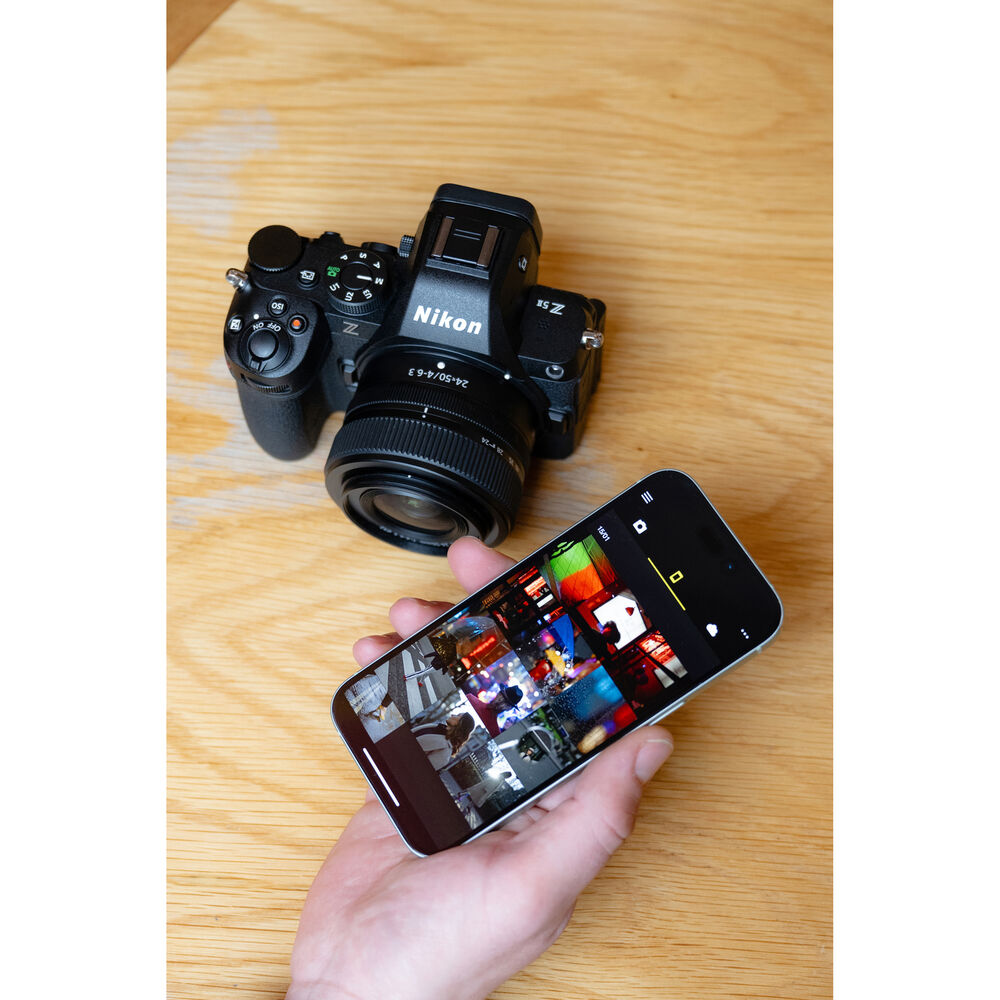
Nikon's Z5 II brings full-frame image quality at a compelling price. The 24.3MP sensor delivers excellent dynamic range and low-light performance. EXPEED 7 processing gives it the same AF system as Nikon's flagship Z8. Dual SD card slots, weather sealing, and solid ergonomics make it feel like a much more expensive camera.
Pros
- Full-frame sensor at APS-C price point
- Same AF system as flagship Z8
- Dual SD card slots
- Deep comfortable grip
- Excellent battery life for mirrorless
Cons
- Slower burst rate (14fps) than competitors
- 4K video limited to 30fps (no 4K 60)
- Nikon Z lens selection still growing
Canon EOS R50

The R50 is Canon's gateway into serious photography. At 375g, it is one of the lightest mirrorless cameras available. Despite the small size, it packs Canon's Dual Pixel CMOS AF II with animal and vehicle detection, 4K 30fps video, and a 24.2MP APS-C sensor. The guided UI mode walks new photographers through settings with plain-language explanations.
Pros
- Extremely lightweight (375g body only)
- Guided UI mode is genuinely helpful for beginners
- Canon RF-S lenses are compact and affordable
- Good autofocus with eye and animal detection
- Articulating touchscreen for selfies and vlogging
Cons
- No in-body image stabilization
- Single SD card slot
- Electronic viewfinder is small and low-resolution
- Limited weather sealing
Fujifilm X100VI
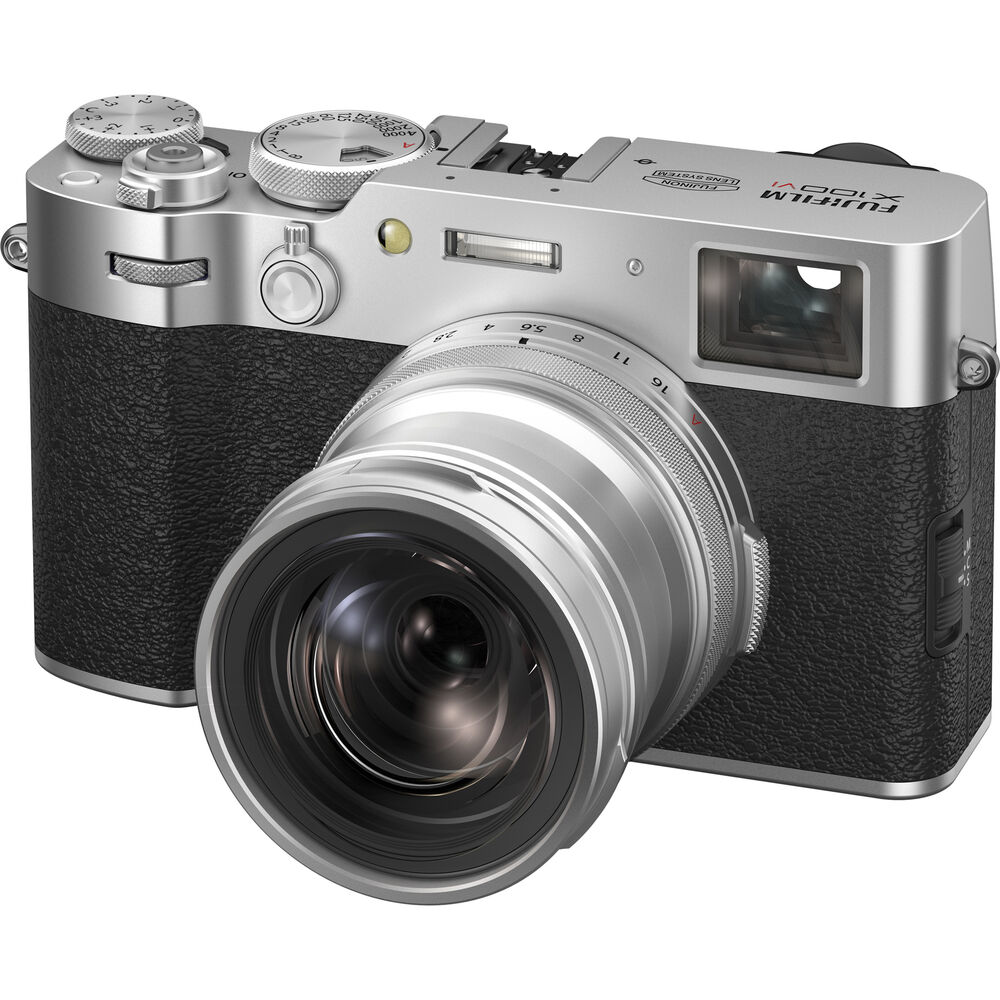
The X100VI combines a 40.2MP APS-C X-Trans sensor, a sharp 23mm f/2 lens (35mm equivalent), Fujifilm's beloved film simulations, and a hybrid optical/electronic viewfinder in a body that looks like it was designed in the 1960s. The images straight out of camera are stunning -- many photographers skip editing entirely.
Pros
- Image quality rivals interchangeable-lens cameras
- Film simulations produce beautiful JPEG colors
- Hybrid optical/electronic viewfinder is unique
- Built-in 4-stop ND filter
- Stunning retro design that inspires shooting
Cons
- Extremely hard to find at retail price
- Fixed 35mm equivalent -- no zoom, no lens changes
- Expensive for a fixed-lens camera
- Video features are secondary to photo
Panasonic Lumix S5 IIX
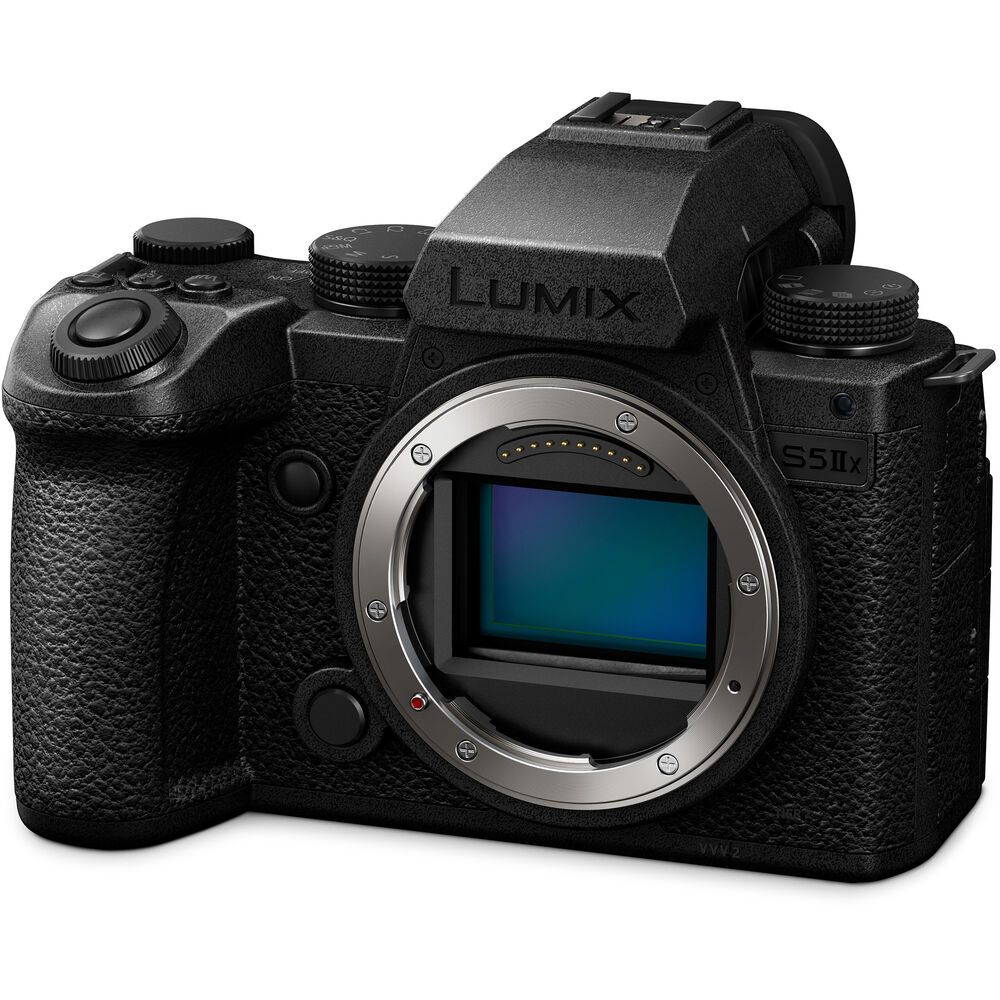
Panasonic built the S5 IIX for creators who shoot as much video as stills. It records 6K 30fps and 4K 60fps in 10-bit internally with no time limit, supports Apple ProRes and Blackmagic RAW via HDMI, and has phase-detect AF. The full-frame 24.2MP sensor and Dual IBIS system produce stabilized handheld footage that looks gimbal-smooth.
Pros
- Unlimited 4K 60fps 10-bit internal recording
- 6K video capability
- Apple ProRes and Blackmagic RAW support
- Excellent Dual IBIS for handheld video
- Real-time LUT preview while recording
Cons
- Autofocus still behind Sony and Canon for fast action
- Heavier than APS-C alternatives
- L-mount lens selection smaller than Sony E or Canon RF
- Menu system has a learning curve
Fujifilm X-S20
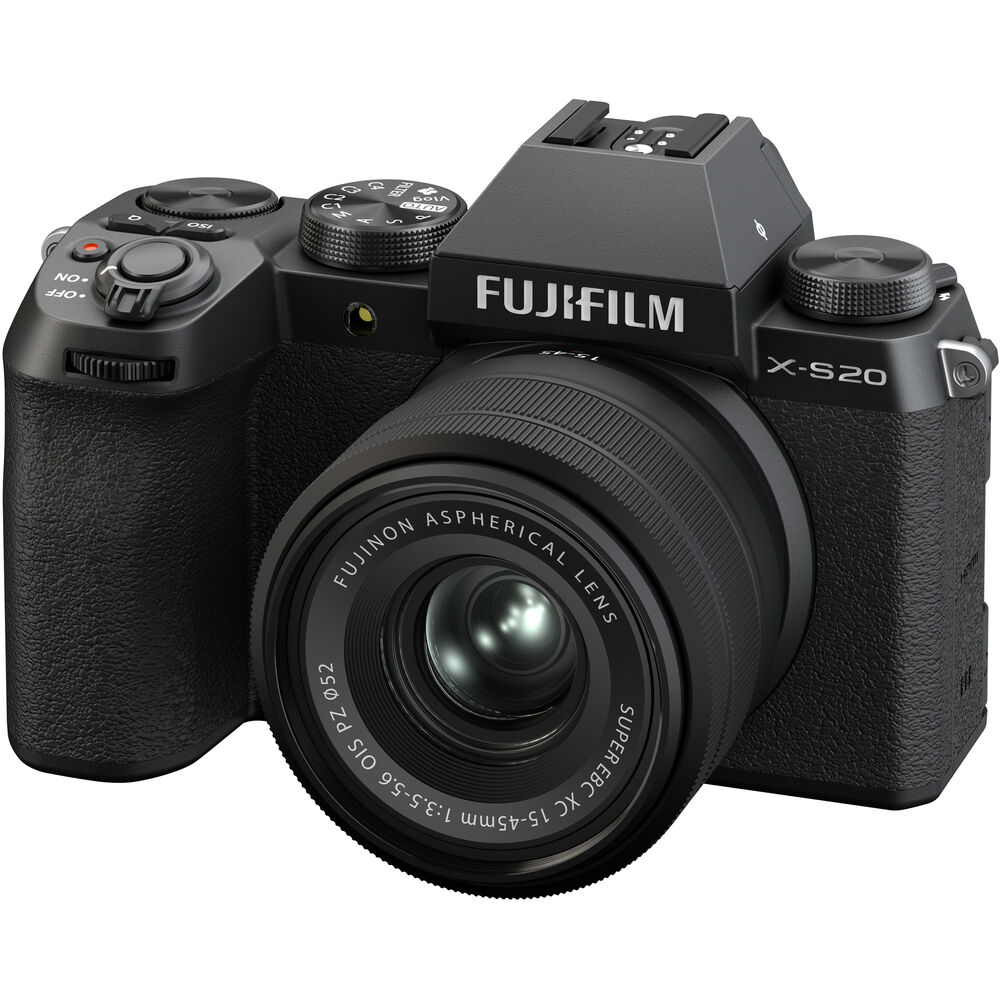
The X-S20 punches well above its price. It shares the same 26.1MP X-Trans CMOS 4 sensor and X-Processor 5 as Fujifilm's higher-end bodies, meaning you get the same image quality and film simulations as cameras costing twice as much. 6.2K 30fps video, 5-axis IBIS, and subject-detect AF round out a feature set that has no business being this affordable.
Pros
- Same sensor and processor as high-end Fujifilm bodies
- 18 built-in film simulation recipes
- 5-axis in-body stabilization
- 6.2K video recording
- Compact, travel-friendly body
Cons
- No weather sealing
- Single card slot
- Electronic viewfinder is adequate but not class-leading
- Battery life is average
DJI Osmo Action 5 Pro
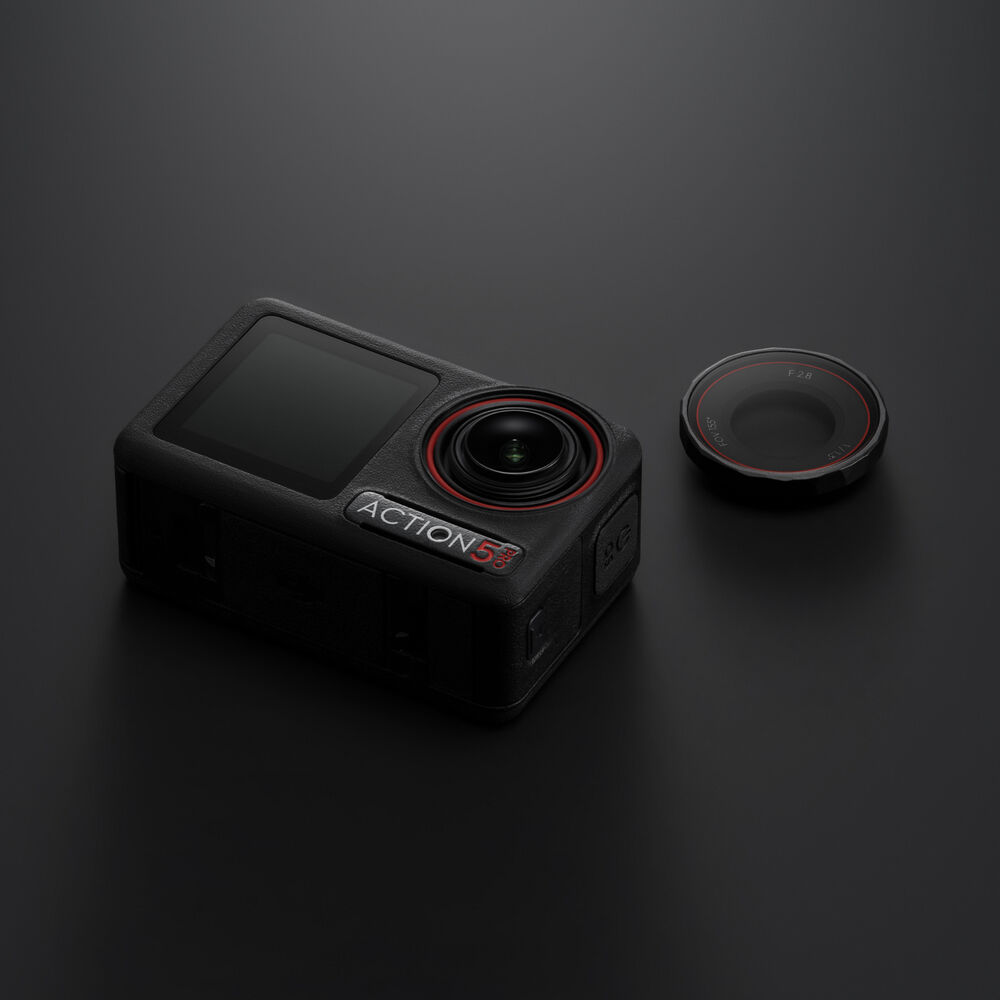
DJI has overtaken GoPro with the Action 5 Pro. The 1/1.3-inch sensor is larger than any GoPro, producing noticeably better image quality especially in low light. 4K 120fps with RockSteady 3.0+ stabilization produces footage so smooth it looks like it was shot on a gimbal. Waterproof to 20m without a case.
Pros
- Largest sensor in any action camera (1/1.3-inch)
- Best-in-class low light for an action camera
- Waterproof to 20m without housing
- RockSteady 3.0+ stabilization is exceptional
- 47.5-minute 4K battery life
Cons
- DJI app required for full functionality
- Ecosystem lock-in with DJI accessories
- Mounting system differs from GoPro (adapters available)
- Audio quality average without external mic
OM System OM-5
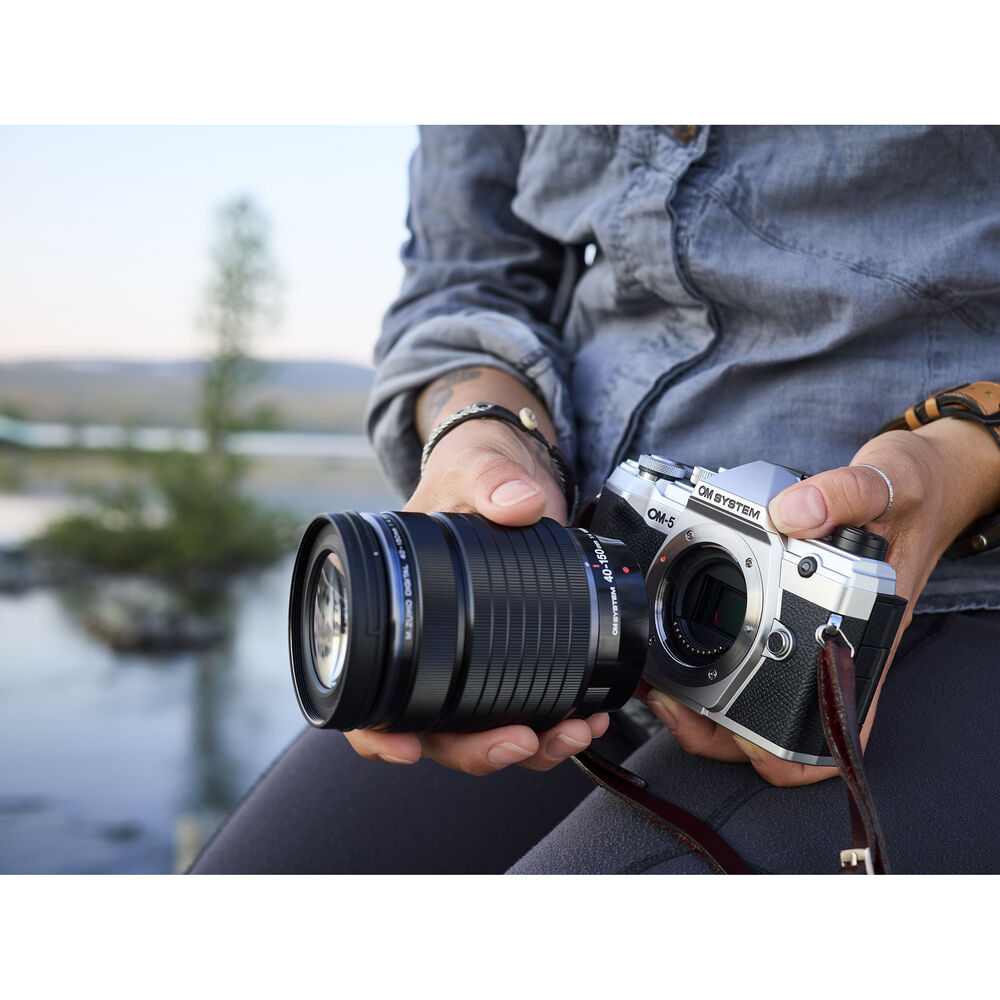
If weight and size matter to you, the OM-5 is hard to beat. At 414g with IP53 weather sealing, it goes places larger cameras cannot. The 20MP Micro Four Thirds sensor paired with computational photography features (handheld high-res shot, live ND simulation, focus stacking) deliver results that defy the smaller sensor size. The stabilization system offers up to 7.5 stops -- the most in any camera.
Pros
- Lightest weather-sealed system camera available
- 7.5-stop IBIS is industry-leading
- Computational features (high-res shot, live ND, focus stacking)
- Compact and affordable lens ecosystem
- Excellent for hiking and travel
Cons
- Smaller sensor struggles above ISO 3200
- 20MP limits cropping compared to 40MP+ competitors
- Battery life is below average
- Autofocus is good but not best-in-class
Fujifilm Instax Mini 99
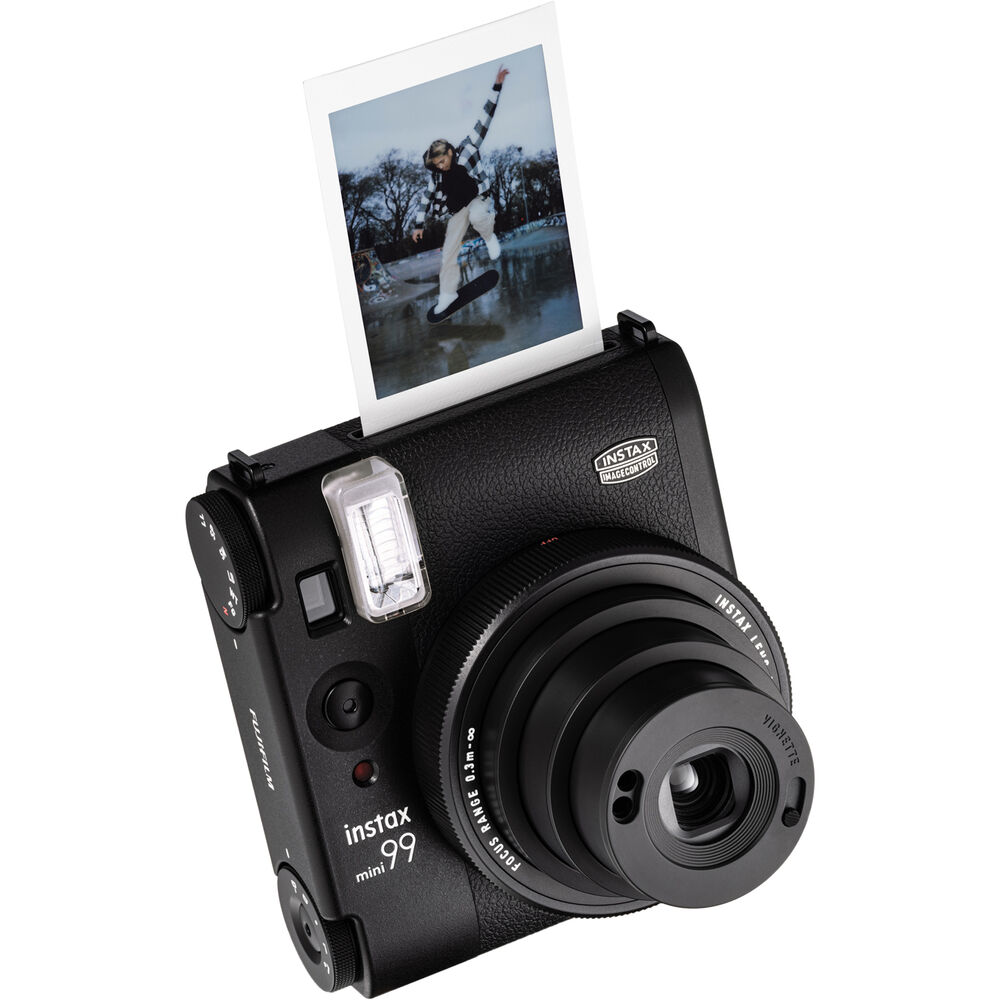
The Instax Mini 99 elevates instant photography with manual controls that no other Instax offers. Six built-in color effect modes, a manual vignette switch, and exposure compensation let you shape the look of each print before you take the shot. The retro all-black design with analog dials feels like a real camera rather than a toy.
Pros
- Manual color effect modes and exposure control
- Premium all-black retro design
- Uses affordable Instax Mini film
- Built-in tripod mount
- Flash with high/low modes
Cons
- Film cost adds up ($0.60-$0.80 per shot)
- No digital preview -- what you shoot is what you get
- No rechargeable battery (uses 2x CR2 lithium)
- No Bluetooth or app connectivity
Sony ZV-E10 II
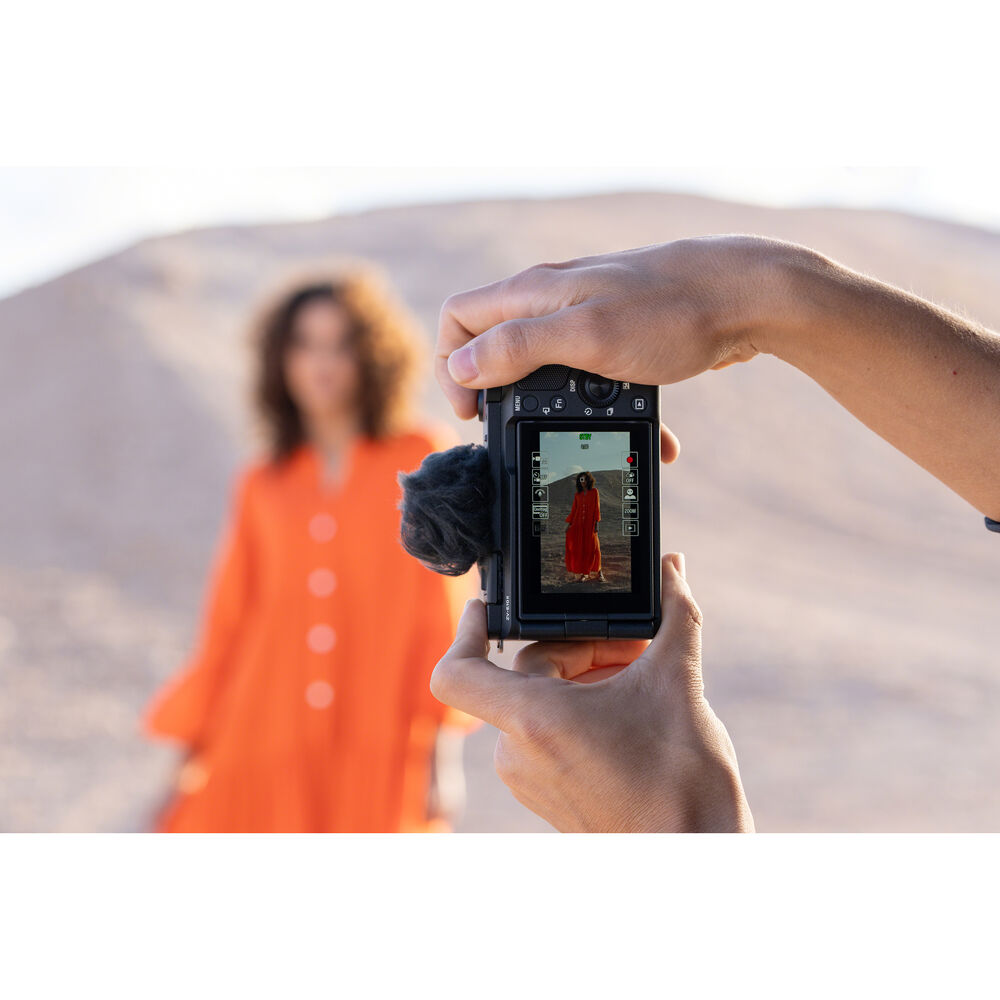
Sony redesigned the ZV-E10 from the ground up. The Mark II gets the newer 26MP APS-C sensor, AI autofocus from the a6700, a significantly better electronic viewfinder, 4K 60fps video, and Active Stabilization that rivals dedicated gimbals for walking video. It delivers flagship-level features at a mid-range price point, and the full Sony E-mount lens compatibility means you will never outgrow this system.
Pros
- AI autofocus from the flagship a6700
- 4K 60fps video in a $500 body
- Active Stabilization for gimbal-like handheld video
- Full Sony E-mount lens compatibility
- Directional 3-capsule microphone built in
Cons
- No in-body image stabilization (relies on electronic/lens IS)
- No weather sealing
- Small grip may be uncomfortable for larger hands
- Kit lens with 16-50mm adds $100 to the body-only price
Frequently Asked Questions
Is a mirrorless camera better than a DSLR in 2026?
Yes, for new buyers. All major manufacturers have shifted development to mirrorless. New lenses, features, and autofocus technology all launch on mirrorless first. DSLRs still work great if you already own one, but buying a new DSLR in 2026 means buying into a system that is no longer being actively developed.
How many megapixels do I actually need?
24 megapixels is enough for almost everyone. It produces sharp 16x24 inch prints, gives room for cropping, and keeps file sizes manageable. You only need 40MP+ for commercial work, extreme cropping, or very large prints.
Should I buy body only or a kit with lens?
During sales, kits are almost always the better value -- you get a lens for far less than buying it separately. For experienced photographers who already own lenses or know exactly which lens they want, body-only saves money and lets you invest in better glass.
Is it worth buying used or refurbished?
Absolutely. Factory-refurbished cameras from Canon, Nikon, and Sony come with full warranties at 15-30% off. Buying used from reputable dealers like KEH, MPB, and Adorama Used is also safe -- they grade items carefully and offer return policies.
What is the most important accessory to buy first?
A better lens. A fast prime lens (35mm f/1.8 or 50mm f/1.8) transforms your photos more than any other single purchase. After that: a second battery, a fast UHS-II SD card, and a basic camera bag.
Do I need full-frame for good photos?
No. APS-C and Micro Four Thirds sensors produce excellent images that are indistinguishable from full-frame in most real-world conditions. Full-frame advantages only become apparent above ISO 6400 and in extreme shallow depth-of-field situations.
How important is in-body stabilization?
Very important for handheld shooting and video. IBIS lets you shoot at slower shutter speeds without blur and smooths handheld footage dramatically. Most mid-range and above cameras include it in 2026. If you shoot a lot of video, prioritize cameras with strong stabilization systems.
Which camera brand should I choose?
Start with what feels right in your hands, then consider the lens ecosystem. Sony has the largest lens selection. Canon is the most beginner-friendly. Fujifilm has the best straight-out-of-camera colors. Nikon makes exceptional glass. Panasonic leads in video features. There is no wrong choice among these -- the best system is the one you will enjoy using.